Things I've done, as I was saying.
Since there are quite a few, I've put them here in no particular order, along with what each thing was and what I did on it. There's also a search box, not because it's particularly useful, but because I got distracted again and thought it would be fun to figure out how to code one.
I'm still trying to find a clear way to explain what I actually do. If you can help, feel free to write to me or to my therapist.
I wanted to study Philosophy, but then I ended up doing something completely different. When they asked me during my final high school exam what I was going to do next, I said theatre director. Turns out I was closer than I thought.
Among other things, I co-founded and am the creative director of a show and visual design studio called Galattico, and I also have a small company that does things in music called Digitale 2000.
The job titles on this page are a bit all over the place. That's mostly because my work tends to sit somewhere between show direction, visual design, multicamera direction and technology, and I still haven't managed to come up with a sufficiently annoying title for all of that that doesn't also sound disgustingly pompous.
I teach a couple of things at IED in Milan: one course around motion design and another about video installations and performance. Why teach at IED in Milan if I live in Rome? Thanks for asking. I'll think about it.
Lately I've also spent some time building HotPunch, a timecode-driven live camera switching and show calling tool built for live production. It's currently in private beta, and I'm quite happy with what it's becoming. Does this make me a developer? I don't really know, but it's fun.
If you click here you can go back to the home page, where I had already explained most of the same things anyway.
-
Eurovision Song Contest
Lucio Corsi 2025
Camera Director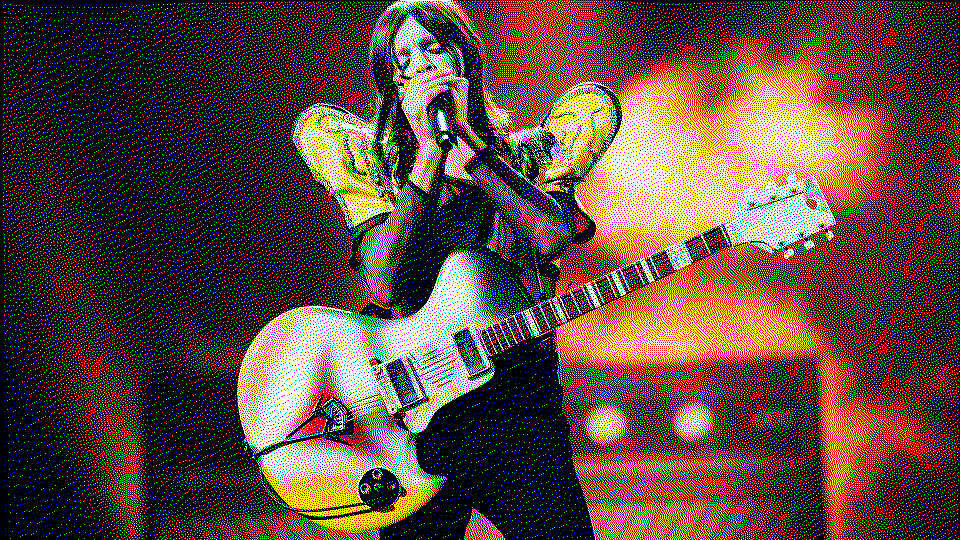
I took care of camera direction and, together with the lighting designer, technical production for the Italian delegation at the 2025 Eurovision Song Contest. We chose a distinctive minimalist, retro approach, which required a lot of precision in the camera work. I went as far as developing a custom camera previs tool to scout angles and test cuts on a virtual vision mixer before even getting on site.
-
Versace
FW2020 Show, Milan
Visual Art Director / Interaction Designer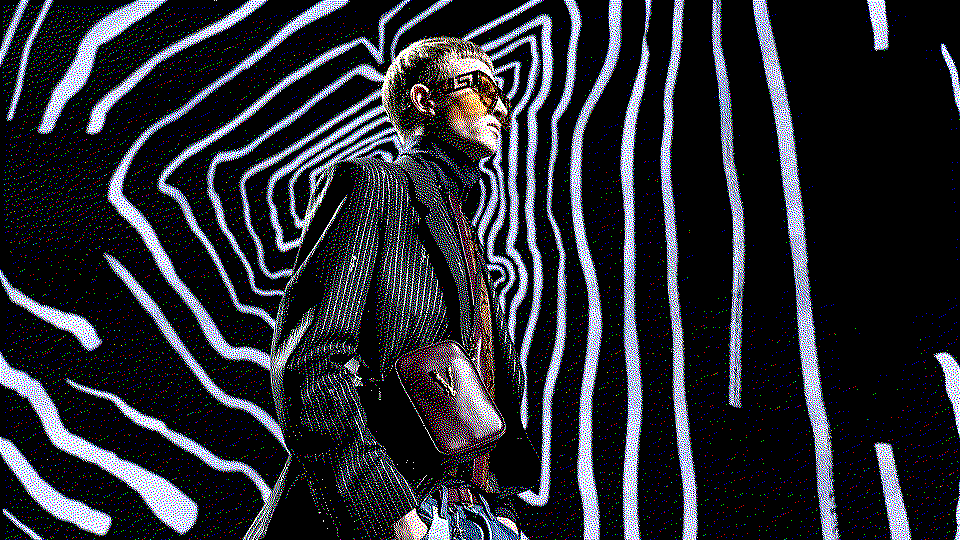
For Versace's FW 2020 show - the maison's first co-ed runway - I coordinated the creative production of the visuals through Galattico across a 140-metre double-sided LED screen. I also personally developed the interaction design: 20 cameras filmed the audience and reprojected them as a distorted mirror, eventually replacing every face with Donatella Versace's. Later in the show, another camera captured the models on the runway and fed their image back with a processed delay.
-
Teatro dell'Opera di Roma
Rigoletto 2020 Circo Massimo
Live Camera Director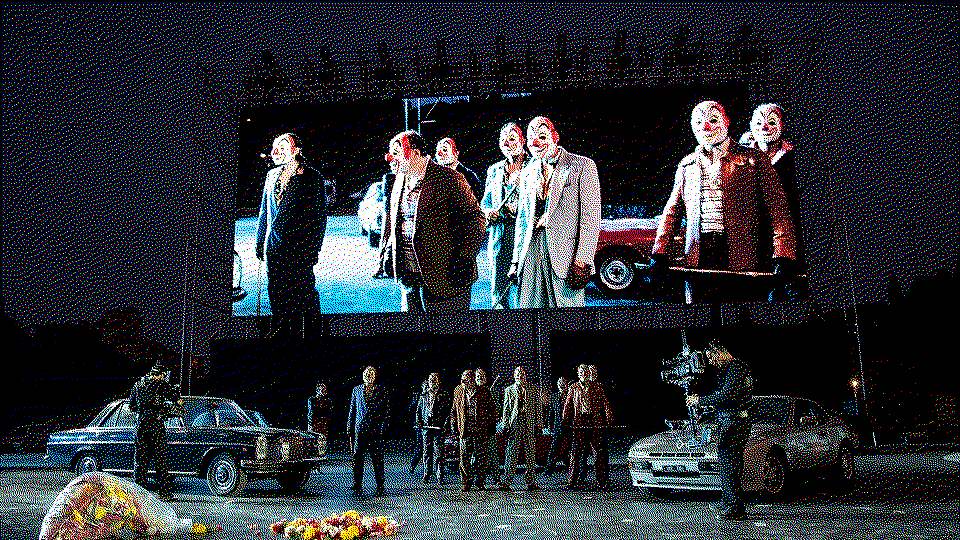
For what became the first and only new opera production scheduled by a major European theatre in summer 2020, I was asked by Indigo Film to join opera director Damiano Michieletto in what can only be described as a complete madness. He staged Rigoletto as an 1980s gangster movie on a huge 1,500 sqm stage at Circus Maximus, with everything working like a scripted film, but live. I directed three Steadicam operators moving between the actors on precise shots, never seeing each other, the audience or the orchestra. Probably the craziest production I've ever done, performed in front of Italy's President and later turned by RAI Cinema into a documentary about us trying to make the whole thing work. In 2023 it was reprised in Terme di Caracalla, with me also serving as Executive Producer.
-
Giorgio Poi
Uomini contro Insetti
Director
One of my favourite artists asked me to direct an animated music video in just two weeks, while I was on vacation in Thailand. How could I say no? Written entirely on a speedboat, with the storyboard dictated over the phone to a storyboard artist, and above all involving three exceptional illustrators and animators, it became such an incredible collective effort that it ended up receiving recognition and screenings at music video and animation festivals around the world.
-
Elodie
The Show
Show Designer / Show Director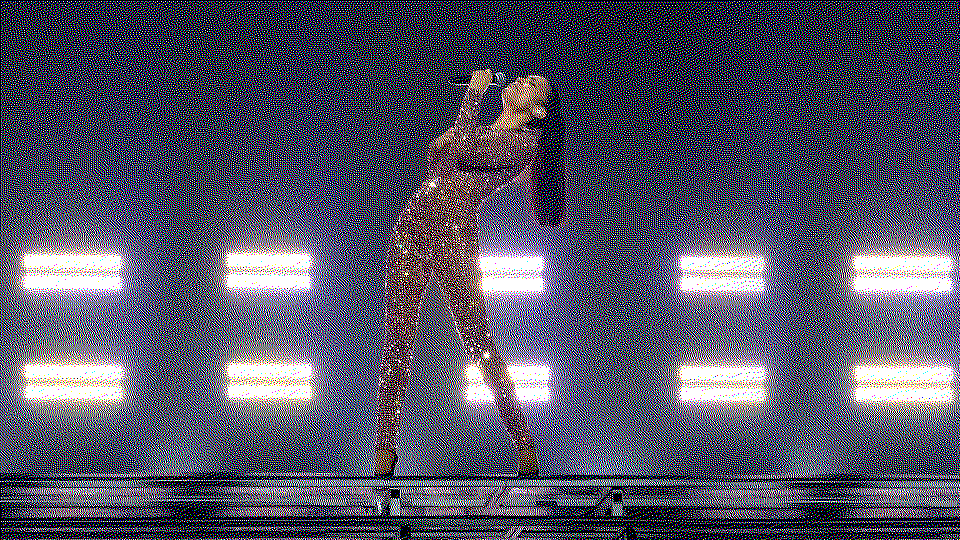
For Elodie's first major arena show, which was also Prime Video's first live music broadcast in Italy, I was involved throughout the entire show design process: from the first stage sketches, built around moving screens, a large staircase and a catwalk, through visual design, all the way to show direction and show calling, managing guests and dancers moving on and off stage and cueing all the automation.
-
Fedez
Il Ritorno a Casa
Show Director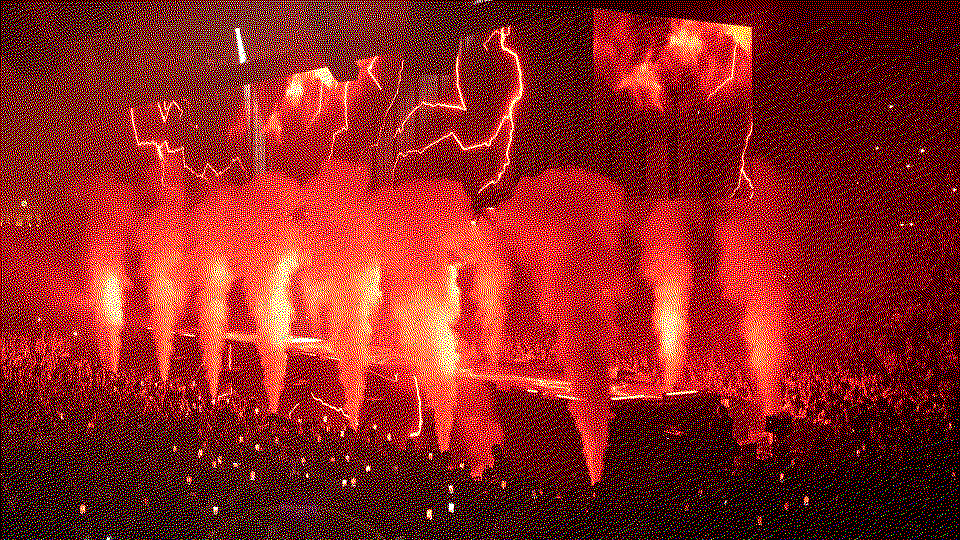
For Fedez's big comeback in 2025, I took care of show direction and show calling, working closely with all departments - including Galattico's visual and live camera direction teams, for which I also served as creative director - to keep a large 360° arena show running smoothly, with more than 50 automation cues, moving transparent screens and platforms, and guests constantly coming on and off stage.
-
La Notte della Taranta
2022
Visual Creative Director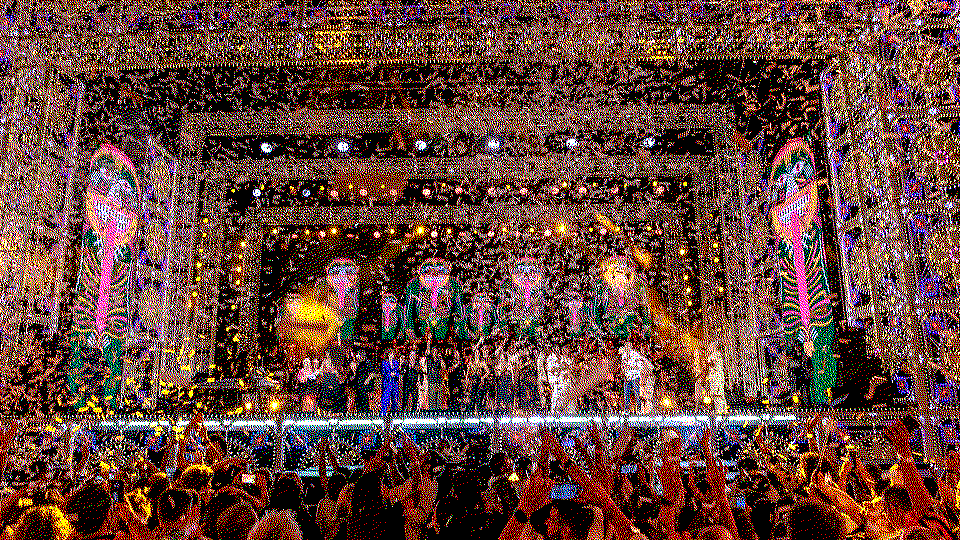
La Notte della Taranta is one of Europe’s biggest traditional music festivals, drawing around 150,000 people to Melpignano. For the 2022 edition, its stage featured a digital scenography for the first time alongside the traditional luminarie, and musical director Dardust asked me to take care of the visual side of the show, with guests including Stromae, Marco Mengoni and Elodie. I brought in Mauro Bubbico, one of Italy’s most respected graphic designers and a long-time researcher into Southern Italian visual culture. Together with him and the Galattico team, we produced three hours of original content in just a few weeks, deeply rooted in the visual culture of the territory. Probably one of the best creative collaborations I’ve ever had.
-
Ricchi e Poveri
Ma non tutta la Vita
Director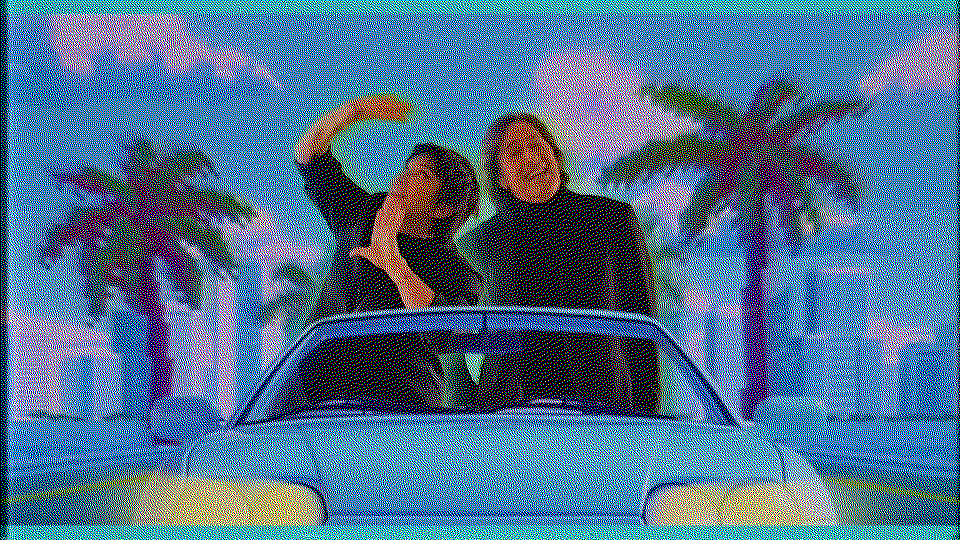
Few things are as entertaining as getting a call from a record label asking you to find a modern, ironic way to handle the comeback of one of Italy’s best-known bands, active since the 1960s: Ricchi e Poveri. We ended up shooting them in studio and moving them through iconic bits of pop culture from each decade their career has crossed. Besides directing the video, I also worked directly on some of the animation and layouts, because the temptation was too strong. Fun fact: it ended up being in the VEVO Italy Top 5 for 2024.
-
Club Dogo
S. Siro Stadium
Creative Coordinator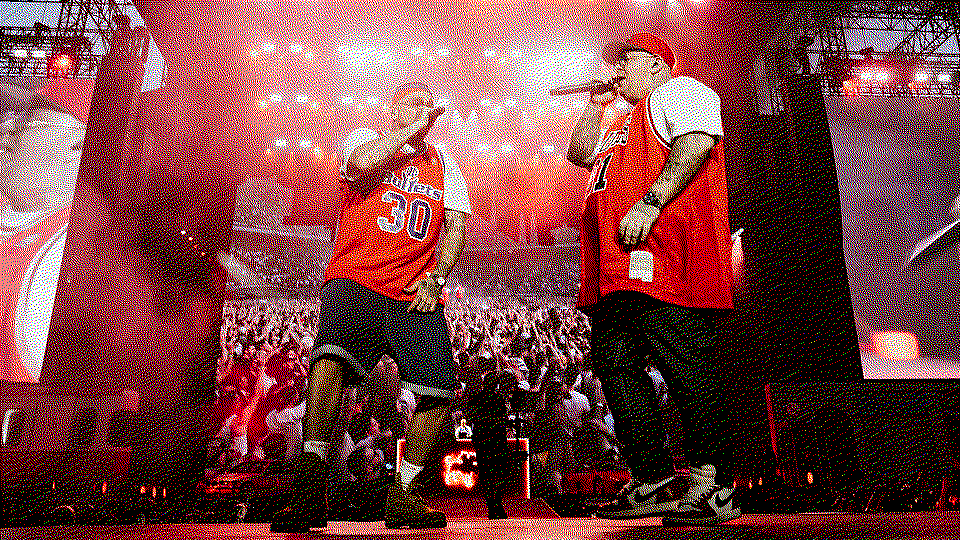
For Club Dogo's San Siro show, closing the reunion run that had started with ten sold-out dates at the Forum, I handled the show's creative coordination through Galattico, working from the artists' and artistic director's ideas. I also produced and directed a concert film using both the existing show cameras and an additional dedicated setup also featuring two steadycams on stage, telescopic cranes and filmmakers in the audience. Unfortunately though, the film has yet to make it to post-production.
-
Calcutta
Relax Tour
Creative Director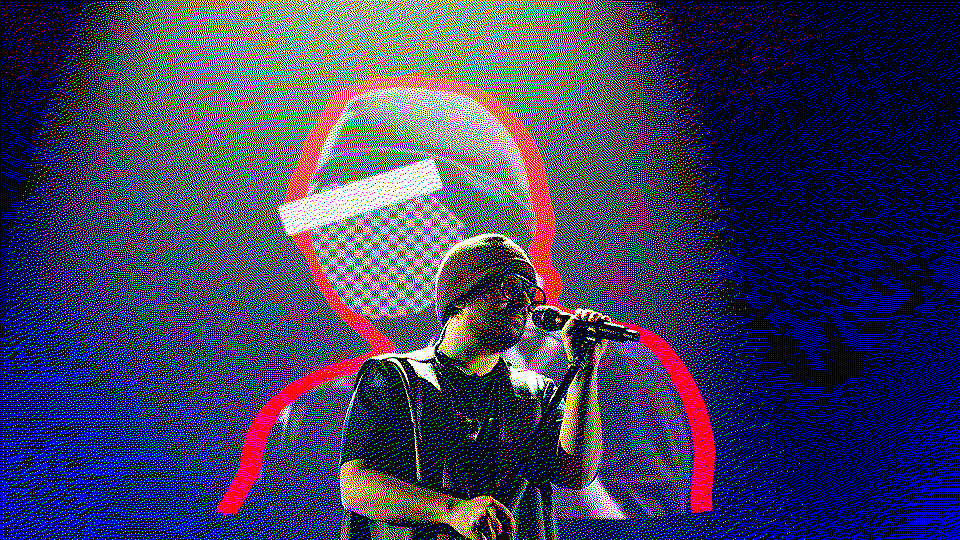
No offence to anyone else, but Calcutta is probably the artist I'm happiest working with on a live show. Moving completely away from the animated world of the previous tour, this one was built around deliberately low-tech elements: old mesh LED, scattered surfaces with tiny cameras distorting the musicians, 1980s terminals the artist could use to control parts of the stage and screens, and a completely unconventional use of Notch effects. Alongside the visuals, I worked with the artist and lighting designer on the scenic space and materials, then took care of show direction and calling.
-
Jovanotti
Lorenzo Live 2018
Additional Art Director / Live FX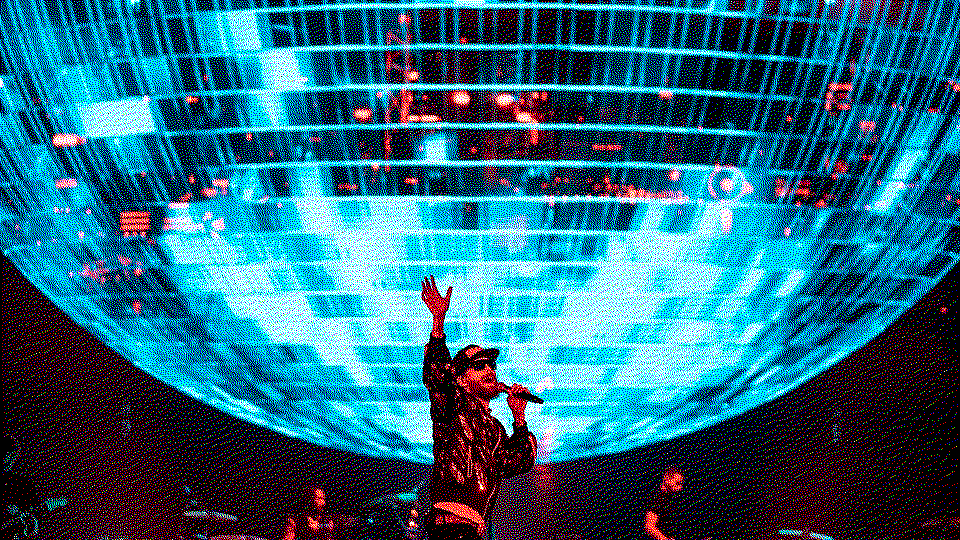
For Jovanotti’s 2018 arena tour, I joined the creative direction team led by Sergio Pappalettera and Carlo Zoratti, alongside Marino Capitanio. Besides contributing to the visual side of the show, I developed the live FX in Notch and worked with the artistic direction and technical supplier to make possible what was, at the time, the first use in Italy of cinema cameras in a large-scale live show.
-
Sfera Ebbasta
Stadium Tour 2026
Live Camera Director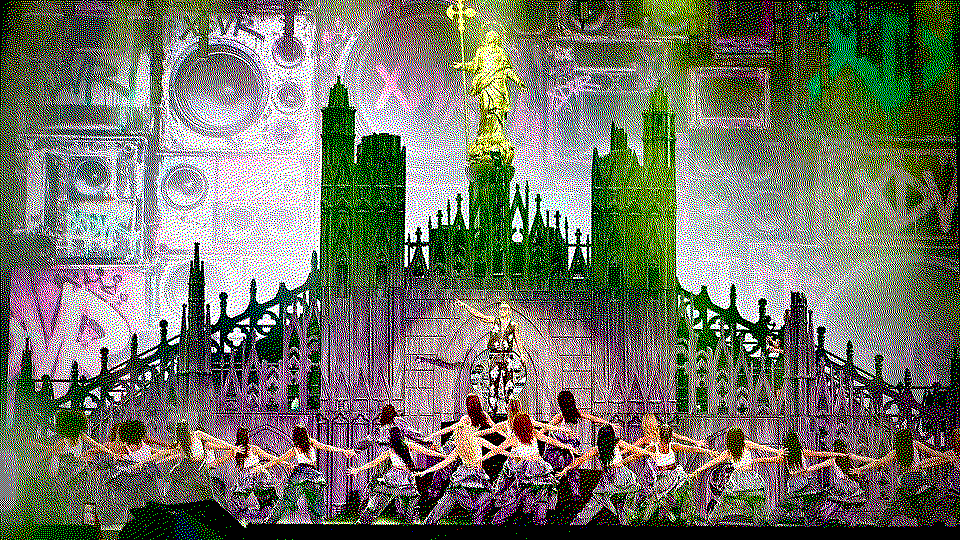
For Sfera Ebbasta's $€LEBRAT10N stadium tour, I took care of camera direction with a complex 12-camera setup combining operated cameras, roaming gimbals interacting with the artist and PTZs covering the hardest angles of the walkable Duomo-shaped set. Running two simultaneous program feeds and a lot of Notch effects, the direction had to cover the artist, guests and choreography of 40 dancers spread across the stage.
-
I Cani
Post Mortem Tour
Visual Director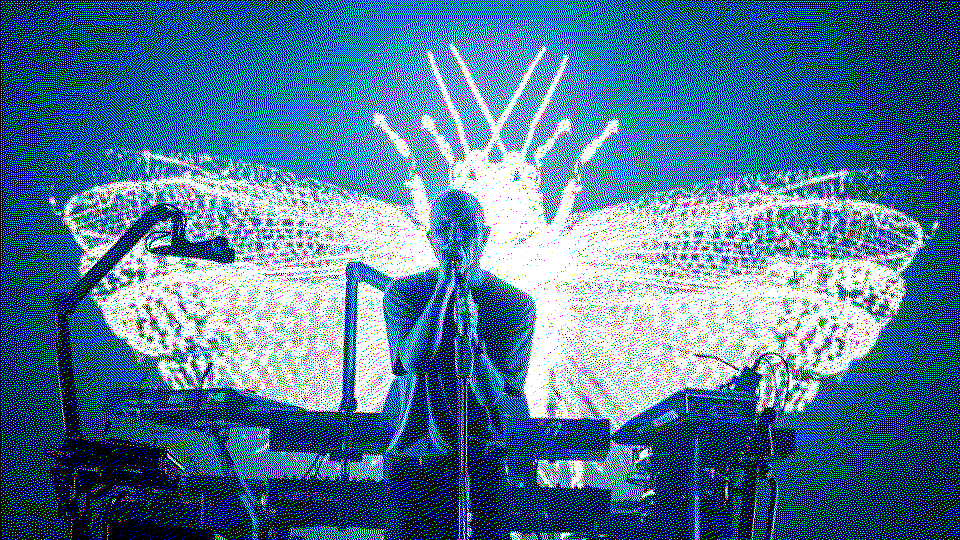
When I Cani released a new record and returned to the stage in 2025 after ten years away, I inherited the rather intimidating task of developing the visual side of the show, something Niccolò himself had personally handled on the previous tours. Working closely with him, we looked for a warm, grainy, analogue language. I researched old public-domain footage and scientific documentaries, sometimes deconstructing the originals and sometimes recreating them from scratch in the same visual grammar. The result is a show built around a very tight dialogue between visuals, lighting and stage — including some of the most moving moments I can remember in any show I’ve worked on.
-
Liberato
Circus Maximus / Maradona Stadium
Live Camera Director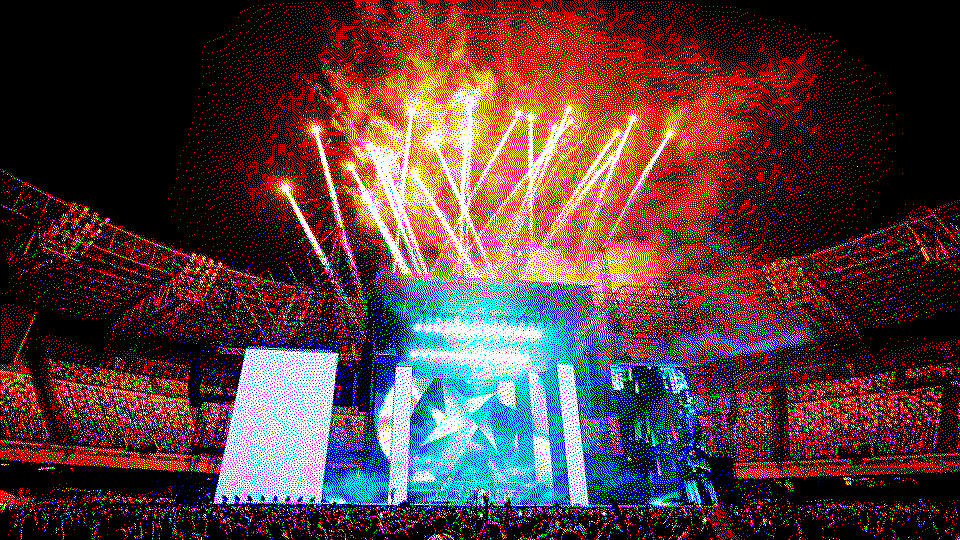
For Liberato’s 2025 and 2026 shows — respectively at Rome’s Circo Massimo and Naples’ Stadio Maradona — I took care of the live camera direction. It was, in every sense, an international-scale production: I worked alongside Ed Warren’s lighting design and Weirdcore’s visual art direction to build a camera language designed to be processed almost constantly through high-impact Notch patches and tightly integrated into the wider visual system. The IMAG became a fundamental part of the storytelling rather than simply a live representation of what was happening on stage.
-
Netflix X Mahmood
Stranger Things 5
Multicamera Director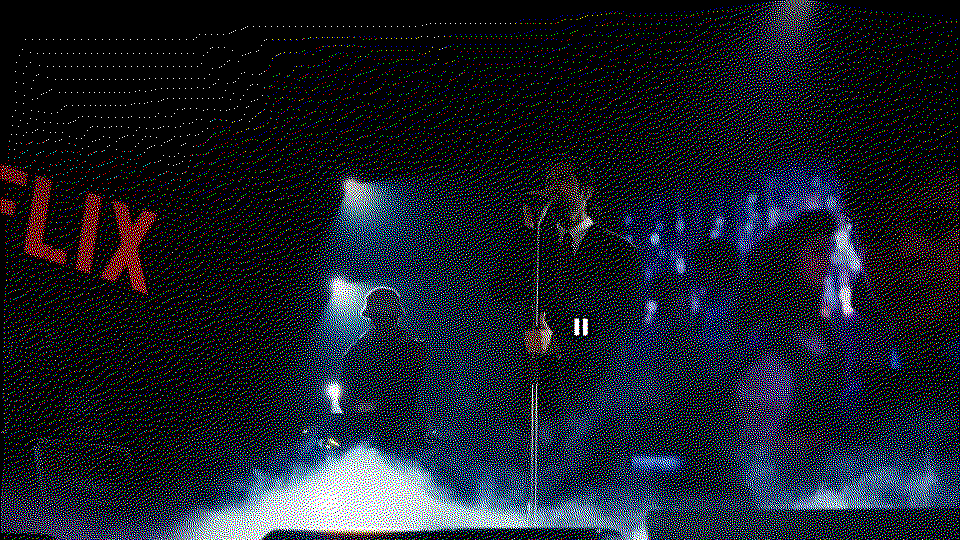
For the launch of the final season of Stranger Things, Netflix organised Stranger Sounds at Fabrique in Milan, where several Italian pop artists performed songs from the series’ soundtrack with a big band made up of Rockin’1000 musicians. DUDE brought me in to direct the multicamera performance of Mahmood, which was due to be published on Netflix’s channels only a few hours later. With almost no rehearsal time available, I used HotPunch, the camera timecoding software I developed, to build a camera script that could be discussed and approved with the agency in advance, then reproduced as faithfully as possible during the live performance, with no chance to do a second take.
-
Giorgio Poi
Schegge Tour
Creative Director/Set Designer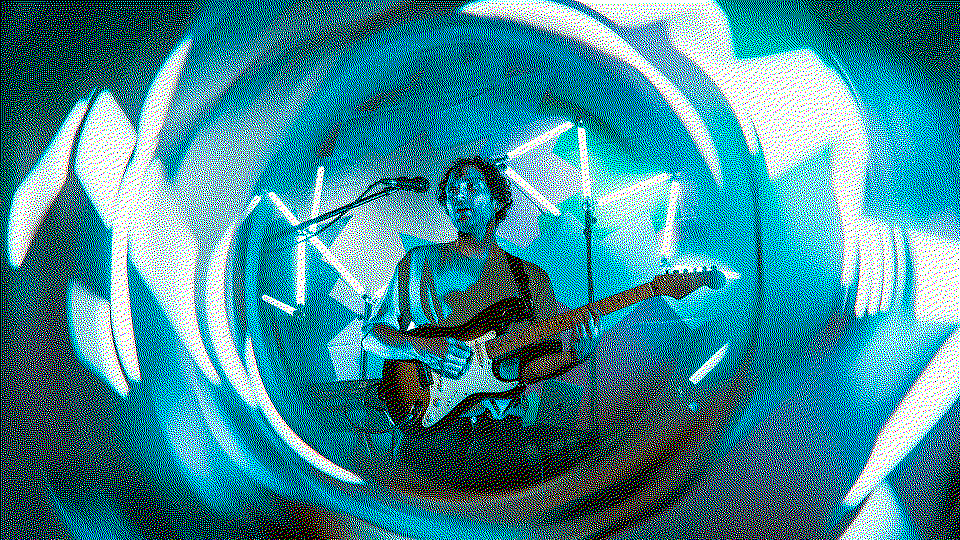
For Giorgio Poi's Schegge Tour, I based the set design around a dynamic structure of LED tubes inspired by the texture of the album cover. Scattered across the stage and featuring animated content produced as actual video clips, the zig-zag elements became almost co-stars of the show, joined by video projectors cutting shapes through the haze towards the audience and a lighting design built heavily around backlight.
-
Maria Antonietta e Colombre
Sanremo
Creative Director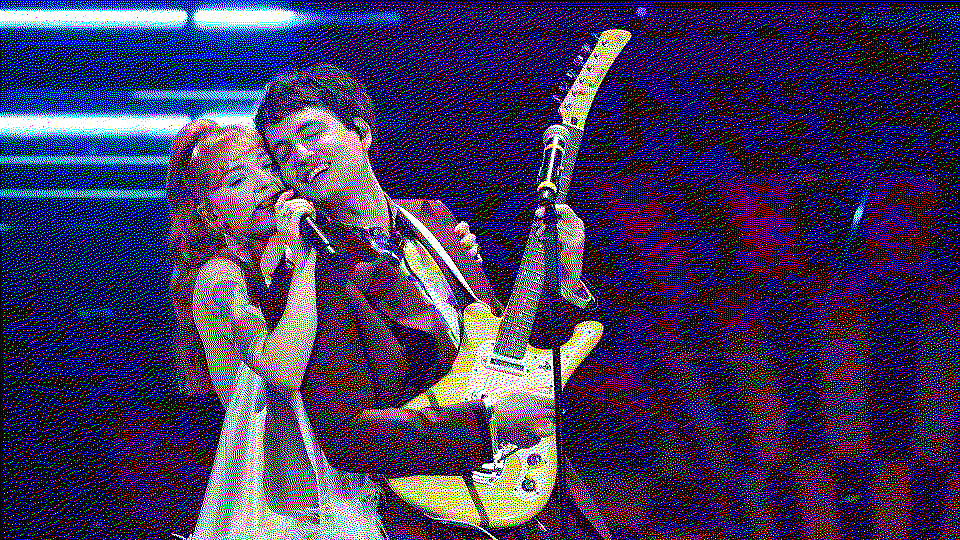
For Maria Antonietta & Colombre’s participation in the 2026 Sanremo Festival, I was brought in by their management to take care of the art direction of the performance. In the honestly not particularly easy role of an external creative, I worked with the artists on the overall staging concept and their movement on stage, then liaised with the director and RAI’s graphics department to bring the visual and lighting language as close as possible to the vintage pop setting I had originally proposed in the moodboards.
-
YĪN YĪN
Visual Pack
Visual Director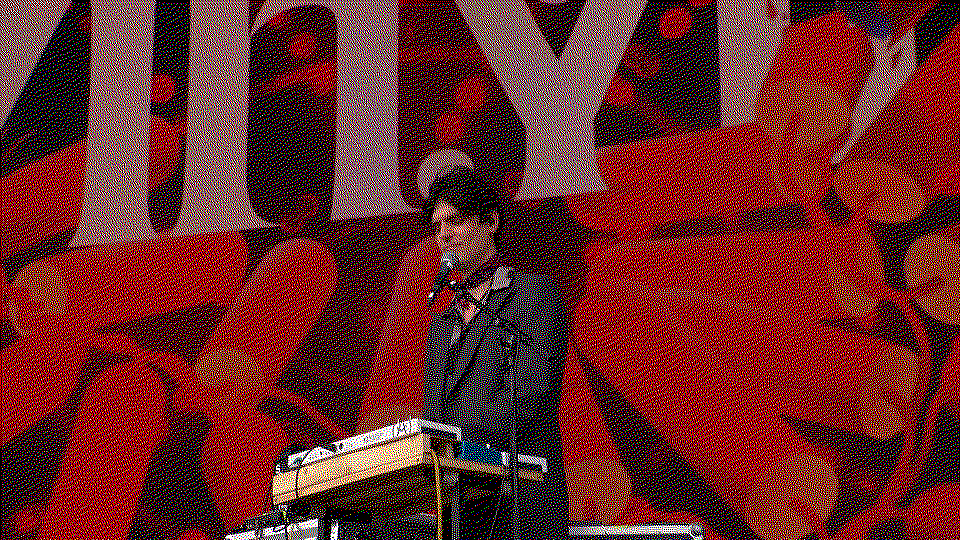
My chance encounter with YĪN YĪN backstage at MI AMI in 2022 unexpectedly turned into a friendship that has lasted for years, and eventually led Galattico to develop a visual pack for the Dutch band in 2026, accompanying them throughout their summer run of European festivals.
-
Renato Balestra
SS23 Launch
Visual Art Director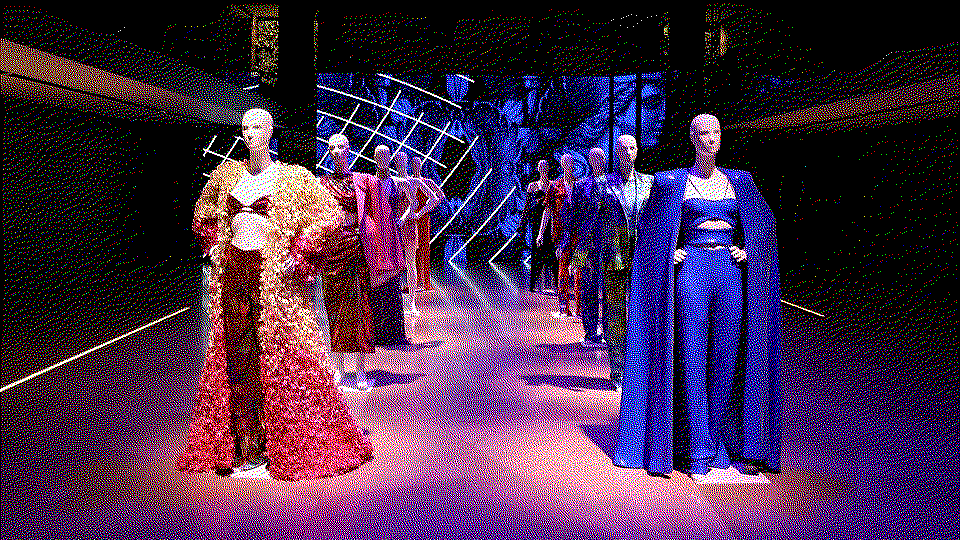
During the generational relaunch of Renato Balestra, as the brand moved from its historic couture identity towards a more contemporary prêt-à-porter language, MDU brought me in to develop the visuals for the SS23 launch in Milan. The project took the form of a series of installations in a private space during Fashion Week, balancing the brand’s heritage with its new direction through three distinct visual languages. I led the art direction, with production handled by the Galattico team.
-
Spring Attitude
Festival
Art Director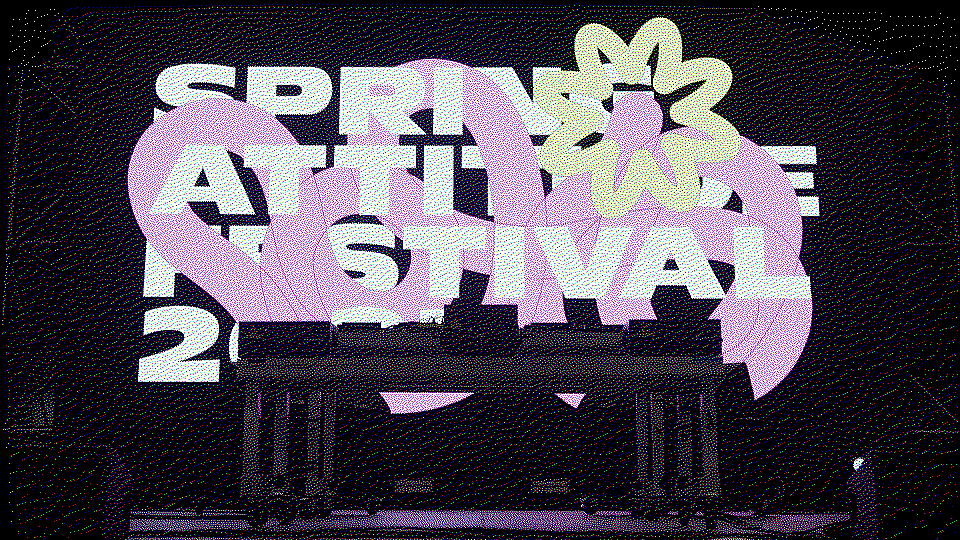
Since 2023, Galattico has been responsible for the art direction of Spring Attitude Festival, developing a visual identity each year that supports the entire communication campaign and eventually becomes part of the event itself. Since 2024, we’ve worked with a two-layer identity: one layer remains recognisable over time, while the other changes radically with each edition. Besides contributing to the creative direction of the identity, from 2025 — with the move from Cinecittà to La Nuvola — I also took care of the stage and room design, later developed together with lighting designer Roberto Andreotti.
-
X Factor
Season 12
Interaction Designer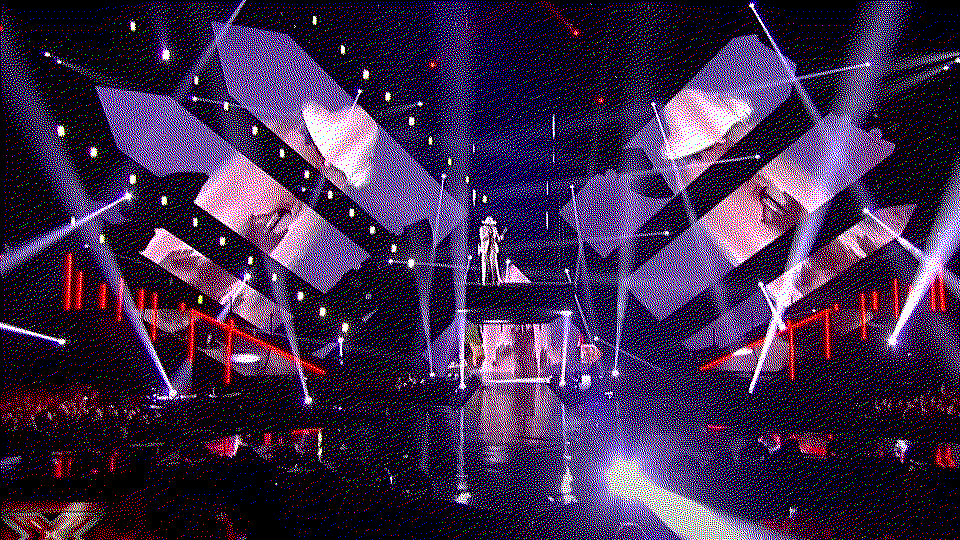
In 2018 I joined the visual team of X Factor Italia to integrate real-time effects developed in Notch into the live broadcast workflow. Results were occasionally a bit hit-and-miss, mostly because television rehearsal schedules didn’t always leave enough time to properly tune the technology involved. Alongside the real-time R&D and integration, I also supported the team in producing some of the visual content used throughout the show.
-
Pirelli
TheCal 2018 New York
Visual Designer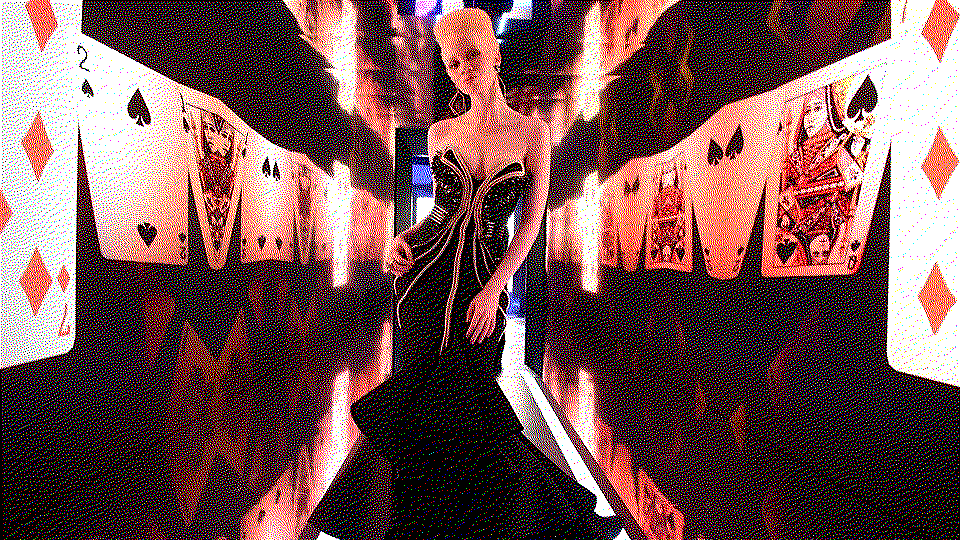
For the launch of the 2018 Pirelli Calendar — photographed by Tim Walker, inspired by Alice in Wonderland and featuring an all-Black cast including Naomi Campbell, Whoopi Goldberg, RuPaul, Lupita Nyong’o and Sean Combs — I produced the video content for STS Communication under the creative coordination of NewtonLab. The official presentation took place at the Manhattan Center in New York, inside a custom setup featuring a mirrored tunnel with immersive video and photobooth installations, alongside a separate screen system around the main stage.
-
Club to Club
C2C Festival
Video Producer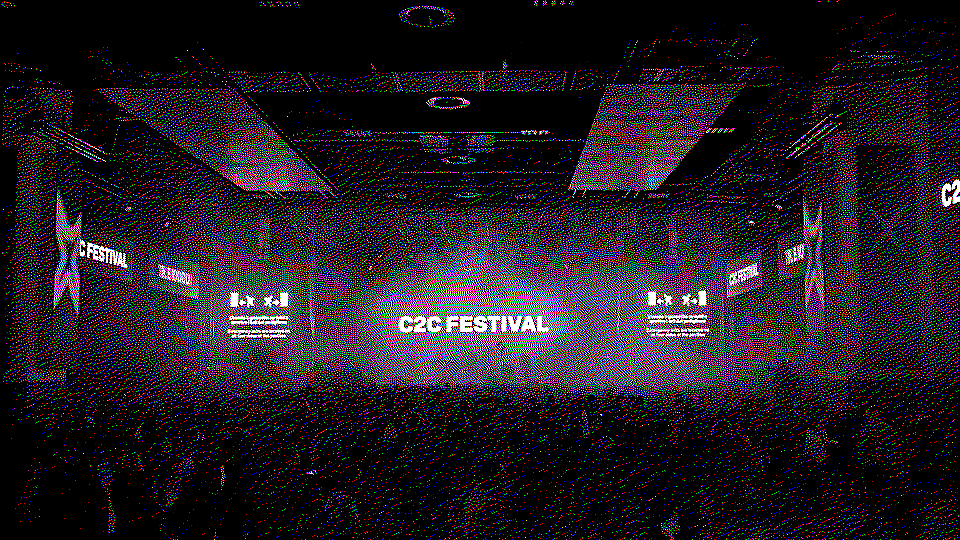
Since 2022, I’ve worked as senior video producer for C2C Festival within Vic Dellacasa’s production team, handling the technical requirements of incoming artist productions at one of Europe’s leading avant-pop festivals. During the event I also coordinate video operations, run visual playout when needed, and help guest productions integrate into the festival setup. In 2026, I also took care of the LED screen design for the main venue.
-
Emma Nolde
NUOVOSPAZIOTEMPO
Creative Director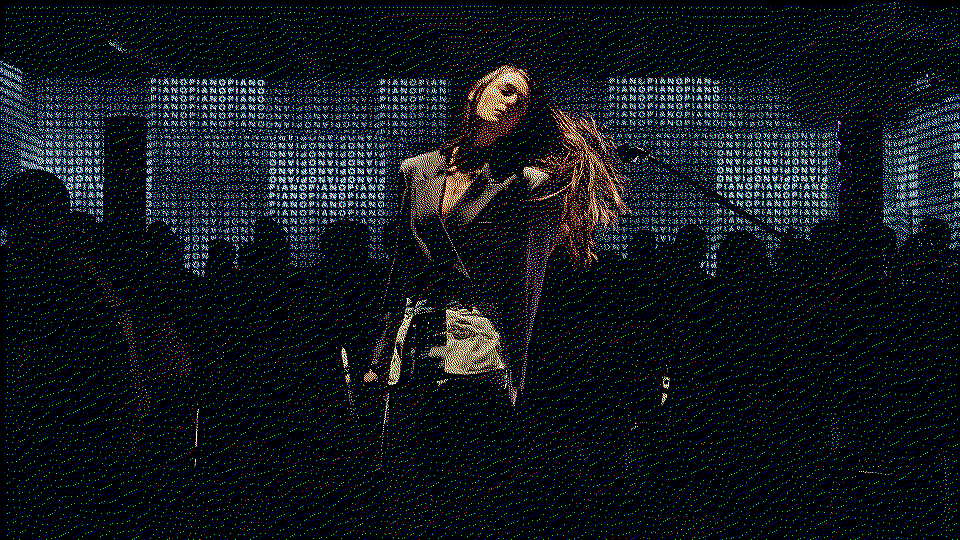
For the launch of Emma Nolde’s NUOVOSPAZIOTEMPO, I took care of the artistic direction of a performance for Carosello Records in a 360° projection venue in Milan. The idea was to give every word in her lyrics its own weight, turning them into graphic elements that could build the space and interact with the audience. I also supervised the visual production and technical side, both handled by Galattico.
-
Diodato
Arena di Verona 2021
Creative Director / Live Camera Director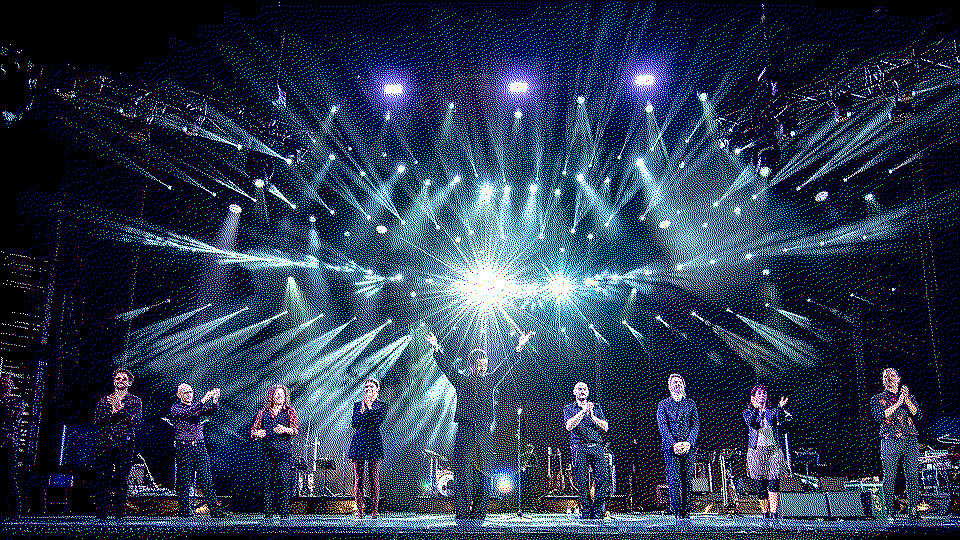
For Diodato’s Arena di Verona show, following his Sanremo win the year before, I learned where I should probably stop before taking on too much. I designed the stage, worked on the scenic movements, led the visual creative direction, followed the lighting programming together with the LD, directed the cameras, called the show, and - for absolutely no good reason - also operated the media server. That was probably too much, but at least it was a fun way to find out.
-
Levante
Live Forum 2019
Creative Director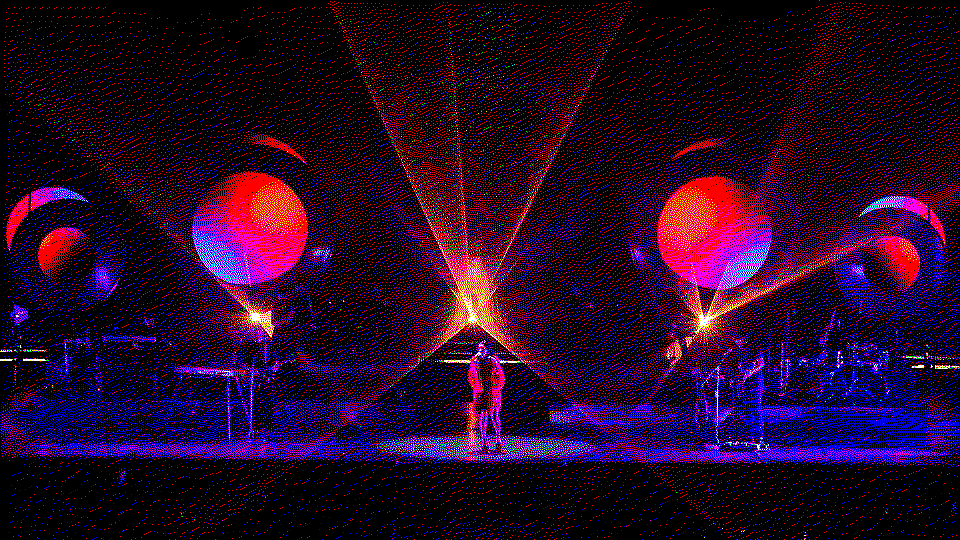
Levante’s 2019 show at the Forum marked the end of a chapter we had started working on together two years earlier, bringing back elements from almost every tour we had developed up to that point. I reused the mirrored scenography from the previous summer’s amphitheatre tour, this time mounting the elements on variable-speed motors in front of an LED screen whose content I developed with the Galattico team. I also directed the show, called the cues and coordinated the scenic movements on stage.
-
Calcutta
Evergreen Tour
Creative Director / Live Camera Director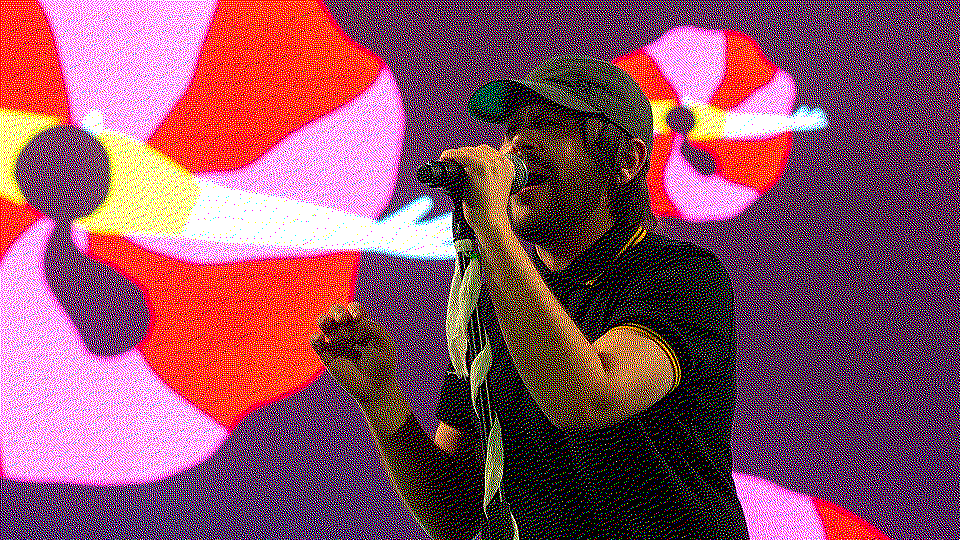
In 2018 I worked with Calcutta for the first time, developing the visual language we used for the two event shows in Latina and at the Arena di Verona, and later carried into the 2019 arena tour. It became a turning point for me: together with the artist we built an extremely personal mix of illustration, live cameras and found footage — a language I started seeing echoed all over the place afterwards. Calcutta was also the first independent Italian artist to bring a production of this scale into the Arena di Verona, and it was my first time there as creative director of a show. Quite conveniently, it was also the first time I had ever directed live cameras. That night later became Giorgio Testi’s concert film Tutti in piedi, which carried much of the same visual language into the film itself.
-
Matera Capital of Culture
Open Future Together
Visual Director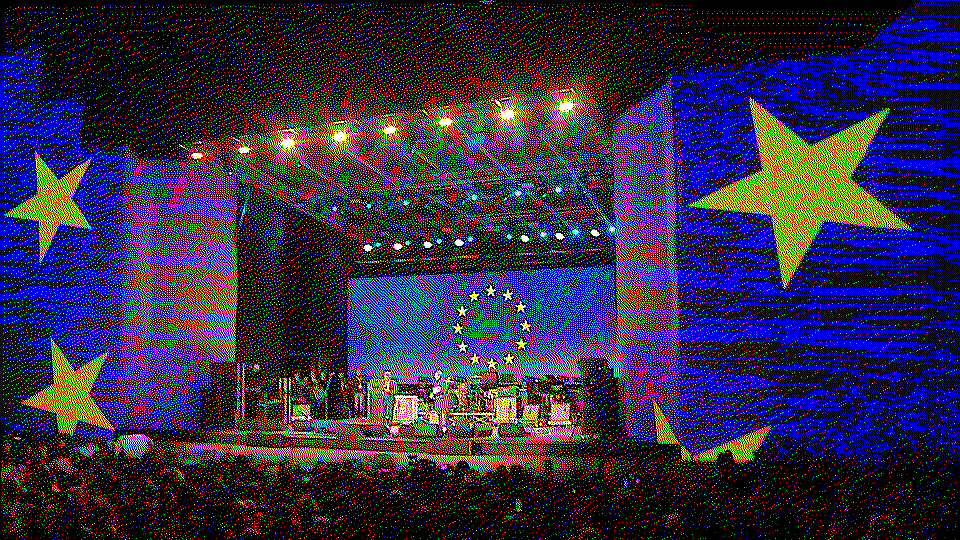
Open Future, Together! was the closing ceremony of Matera 2019, European Capital of Culture, held on December 20 at Cava del Sole, with musical direction by Manuel Agnelli and guests including Afterhours, Carmen Consoli, Daniele Silvestri, Rancore, Damon Albarn, Fatoumata Diawara and Lous and the Yakuza. For Giorgio Testi’s direction, and along with Donato Sansone's dedicated film, Galattico developed the visual content across both the main LED screen and projections onto the surrounding quarry walls, extending the visual language into the architecture itself. I also supervised the technical integration needed to make the whole system work.
-
A Day for Everything
Documentary
Producer
A Day for Everything is a documentary currently still in development, directed by Marcello Orlando and shot across Italy, the UK, the US and Tanzania, exploring themes of identity, belonging, mobility and global inequality. Through Galattico, I joined the project while production was already underway, coming on as a producer alongside Ozono and Tapokea. I took charge of the executive production for the Tanzania shoot and later supported the existing production team through post-production and marketing.
-
Club Dogo
Forum 2024
Show Direction / Live Camera Director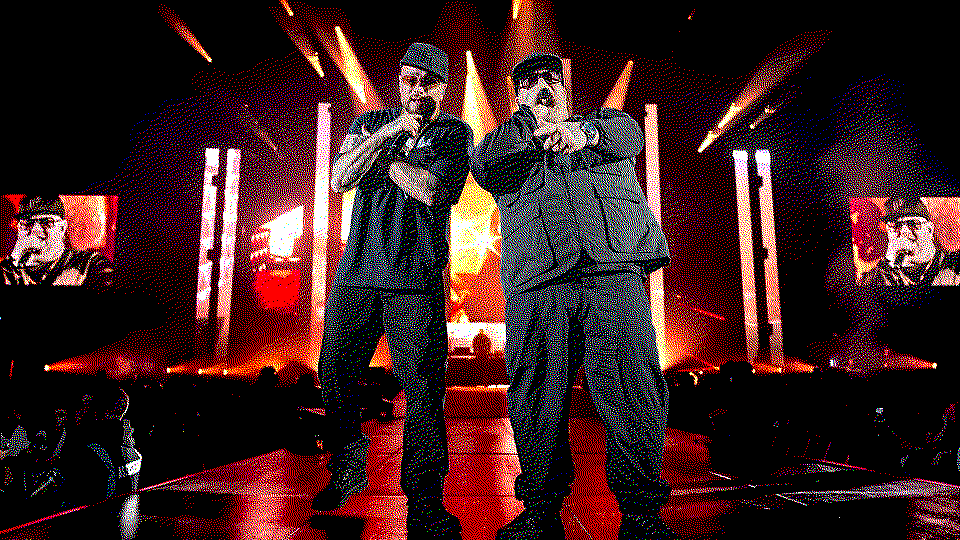
For Club Dogo’s reunion show — ten sold-out dates at Milan’s Forum — I handled the creative coordination and set up the show calling, while also directing the cameras. The multicamera setup ran two simultaneous program feeds and leaned heavily into the visual language of 2000s rap: an almost constantly roaming Steadicam, plus tiny fisheye cameras embedded in the set or handheld directly by the artists.
-
Gianni Morandi
Go Gianni Go Tour
Visual Co-Director / Live Camera Director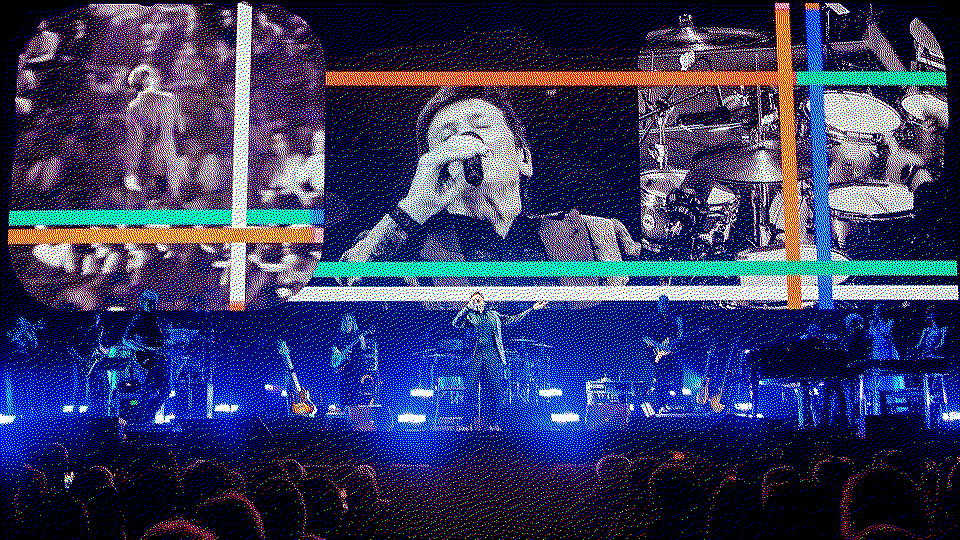
For Gianni Morandi’s return to touring at almost 80, after more than six decades as one of the landmarks of Italian pop music, Studio Prodesign brought Galattico in to develop the visuals for the show. We came up with a language that heavily mixed graphic content and live cameras, connecting a contemporary pop approach with the weight of his career while also giving plenty of space to the 13-piece big band on stage. Besides developing the visual content with the Galattico team, I directed the live cameras throughout the arena tour and the summer dates that followed.
-
Cosmo
Mango
Director
La Prima Festa dell’Amore was Cosmo’s way of celebrating the return to physicality and collective experience at the end of the pandemic: three days of music inside a purpose-built circus tent in Bologna, each night culminating in his live show. From that experience, with a filmmaking team covering the entire event and an expanded crew for the final concert, I directed the video for Mango, shot entirely live. It starts almost like a conventional multicamera concert film, then gradually breaks apart into a faster, more chaotic “best of” of the whole three days.
-
Colapesce Dimartino
Tour 2021
Creative Co-Director / Motion Designer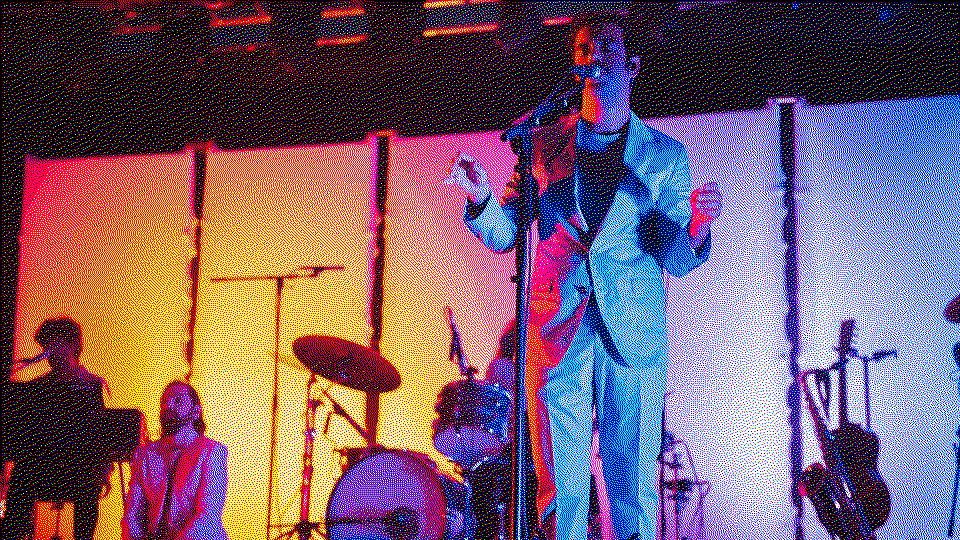
During my long collaboration with lighting designer Martino Cerati, we spent a lot of time researching unconventional ways of treating light and video as a single system. For Colapesce Dimartino’s first tour together after their Sanremo success, we designed a series of panels edged with LED strips and controlled as a dynamic video matrix. I handled most of the programming, supervised the rest and worked on the technical R&D behind the system. I also directed a multicamera shoot at the Teatro Antico di Taormina, which unfortunately never got released.
-
Elio Germano / Teho Teardo
Paradiso XXXIII
Visual Content Production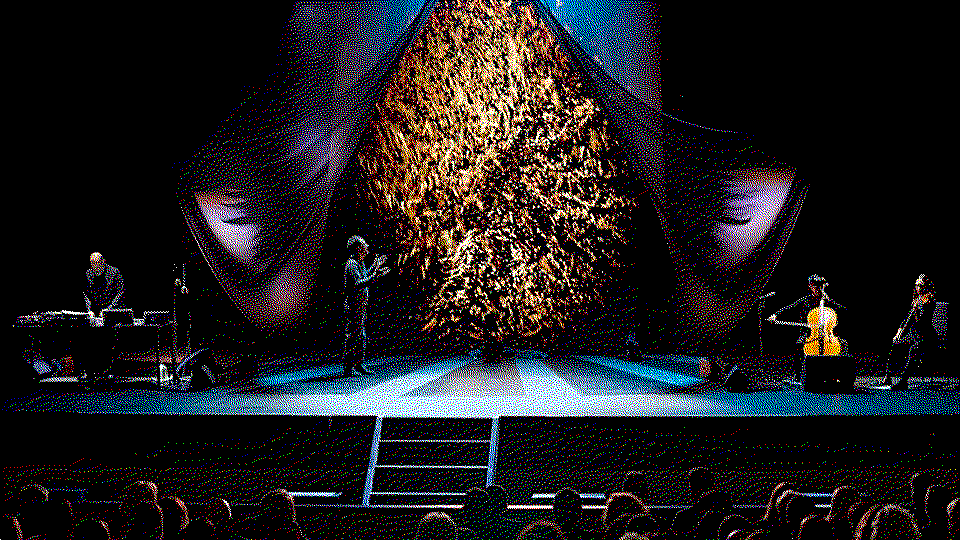
With Galattico, I took care of producing the visual content for Paradiso XXXIII, the theatre piece by Elio Germano and Teho Teardo built around the final canto of Dante’s Paradiso. Directed by Simone Ferrari and Lulu Hælbek, with visual art direction by Sergio Pappalettera and Marino Capitanio, it was very much a collective effort on an unusually ambitious and wide-ranging project, commissioned by Ravenna Festival and later toured across Italian theatres.
-
Levante X Diplo X Mø
Stay Open
Director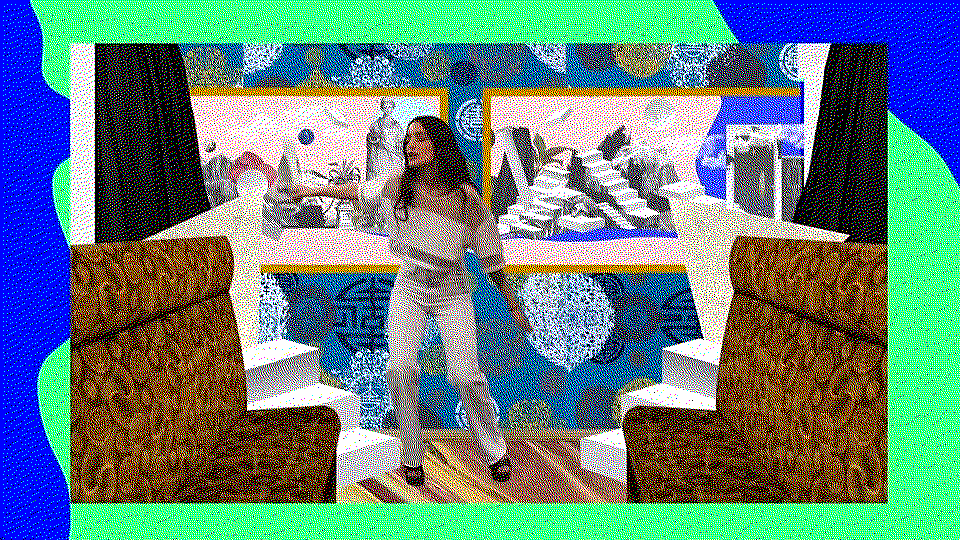
For Tuborg’s Stay Open campaign, a different local artist joined Diplo and MØ in each participating country. In Italy that artist was Levante, and I was asked to direct the music video. Since the international production supplied MØ’s footage on green screen, I shot Levante in the same setup and rebuilt the whole thing inside a grotesque graphic world that still felt consistent with both Tuborg’s visual identity and Levante’s aesthetic, which I already knew well from previous projects.
-
Daniele Silvestri
Arena Tour 2019
Visual Creative Director / Live Camera Director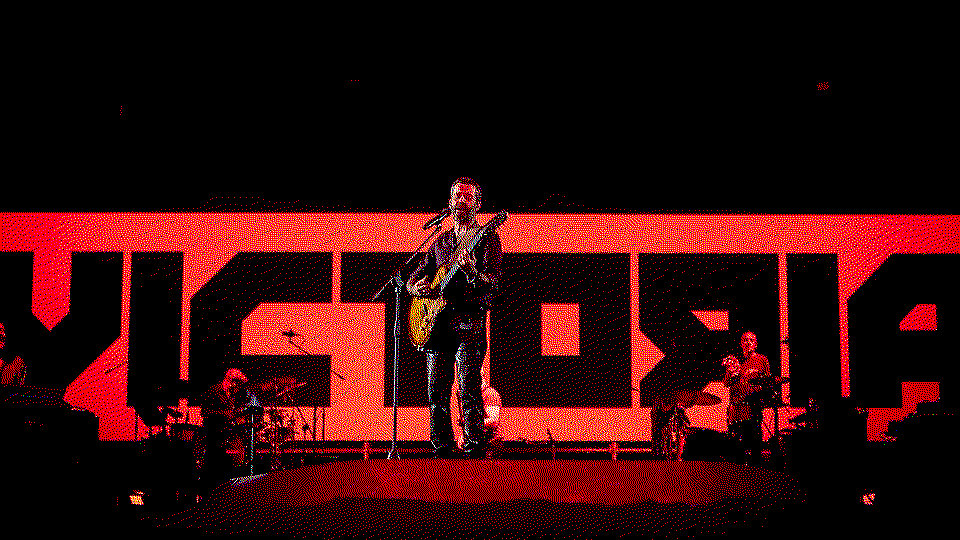
For this 2019 arena tour celebrating 25 years of his career, built around a central stage made of separate platforms and covered in earth, I took care of the creative direction for the visuals and directed the live cameras, also providing the camera operator team. The super-wide screen let me frequently combine multiple cameras and M/Es within the same frame. I also worked closely with the set and lighting designers on the overall development of the show.
-
Liberato
Napoli 2023
Supervisor and Scenic Coordinator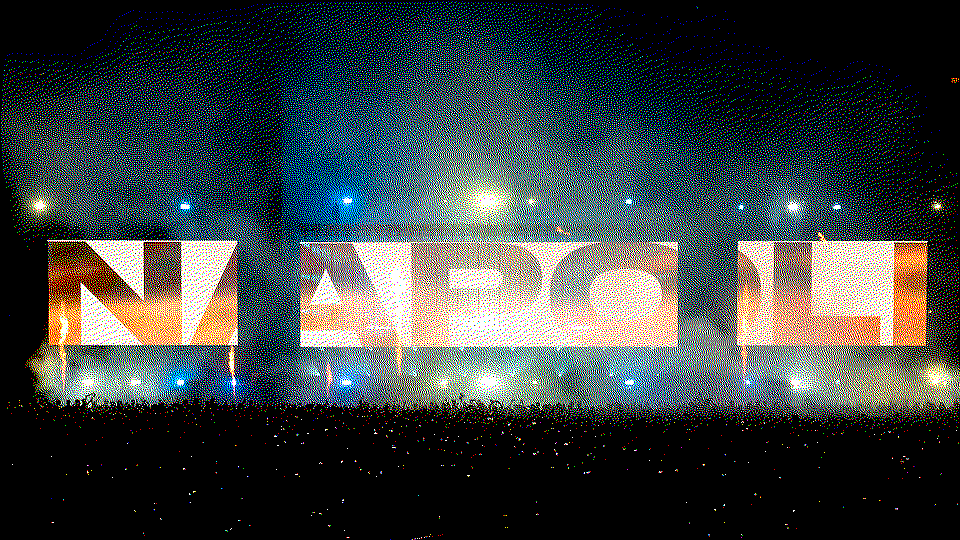
For the three shows in Piazza del Plebiscito in Naples by the masked singer, I once again worked alongside Quiet Ensemble and lighting designer Martino Cerati, taking care of show direction, show calling and the engineering of the video systems. Working closely with the stage manager and choreographer, I also coordinated entrances and exits and managed the use of space across the stage throughout the show.
-
Francesca Michielin
Arena di Verona
Show Designer / Show Director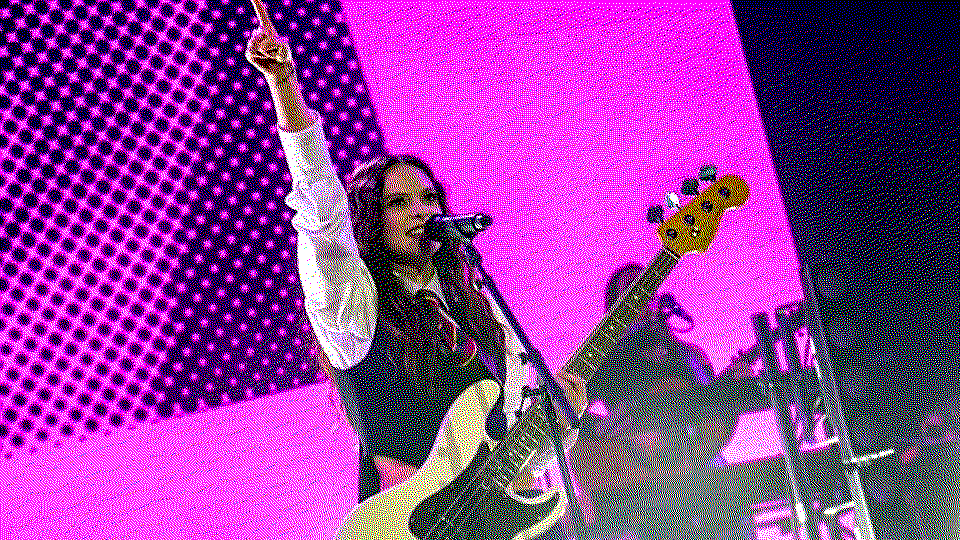
Tutto in una notte was Francesca Michielin’s special show at the Arena di Verona, celebrating her 30th birthday and looking back over her career through guests, medleys and rearranged songs performed with an all-female band. I designed the stage together with lighting designer Andrea Arlotti, worked with Galattico on the visual side of the show and the narrative inserts running from the intro throughout the performance, and coordinated the live camera direction through the studio. I also personally directed the show and called the cues, managing constant guest and prop entrances and exits, as well as precisely timed movements between different positions around the Arena. The show, together with our visual material, was later used for the music video for La voce che credevo di aver perso, directed by Danilo Bubani.
-
Terraforma
Stoikeia
Video Live Performance
Stoikeia was my final thesis project for the BA in New Technologies for Art at IED Milan, where I had also specialised in non-linear languages. Developed with musician Filippo Slaviero, it was conceived as a site-specific performance using material collected inside Villa Arconati and reworking it across five chapters dedicated to the four classical elements plus aether. Both sound and image were performed entirely live, with the visuals mapped onto the villa’s historic greenhouses for the first edition of Terraforma, international festival of electronic music and experimental art.
-
La Notte della Taranta
2024
Visual Director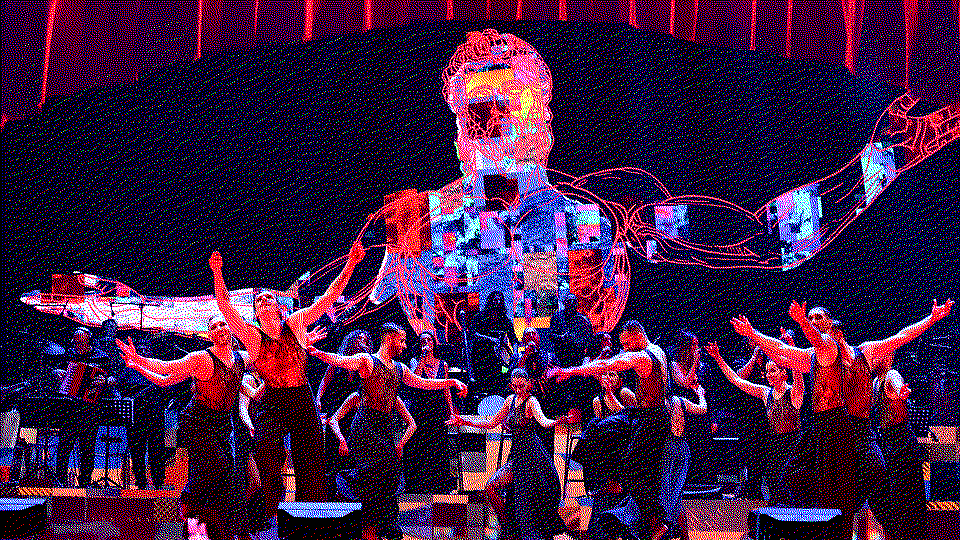
After our experience in 2022, we were brought back to develop the visual side of La Notte della Taranta in 2024. While the previous edition had followed a more philological approach rooted in the territory, this time — with Shablo as musical director, Argentinian and closely connected to the rap/urban world, a natural fit for this kind of cultural crossover — I proposed going back to the archetypes of folk culture and looking for their equivalents across geographically distant traditions. With Galattico, we also pushed towards a much more hybrid contemporary language: for the first time we used AI deliberately and visibly, working with open-source models and mixing it with other techniques to create a visual syncretism that evolved in parallel with the musical approach.
-
Ex Otago
La Notte Chiama Tour
Creative Director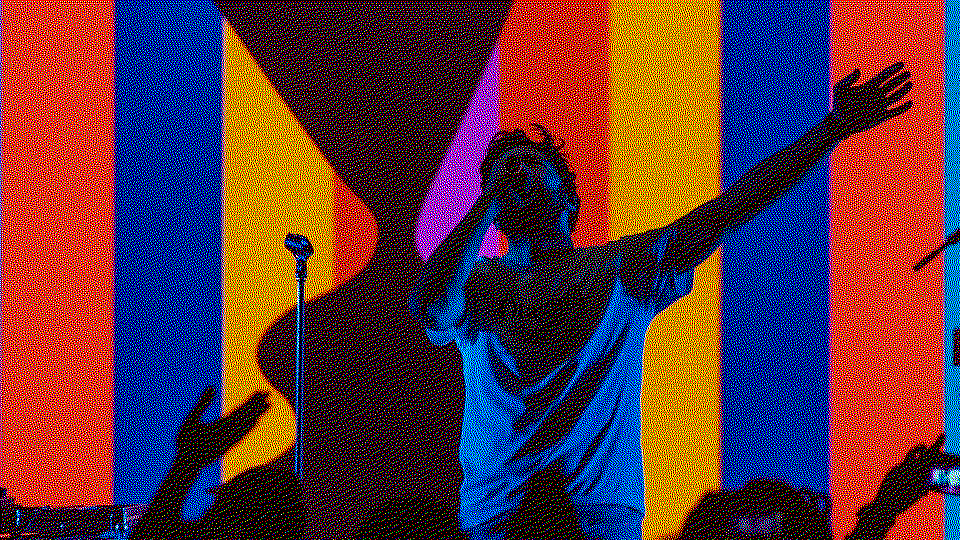
Together with Carlo Zoratti, I handled the creative direction and show design for Ex-Otago’s 2019 tour, following their appearance at Sanremo. With the Galattico team, we developed a visual language inspired by the dramaturgy of old 1980s television shows, turning the concert into a sort of varietà that borrowed references from different eras. We also built a few deliberately unconventional moments into the show, at times reversing the relationship between stage and audience by moving the band into the crowd, or feeding images directly from the singer’s phone onto the screens.
-
Balla coi Cinghiali
BCC Festival
A lot of things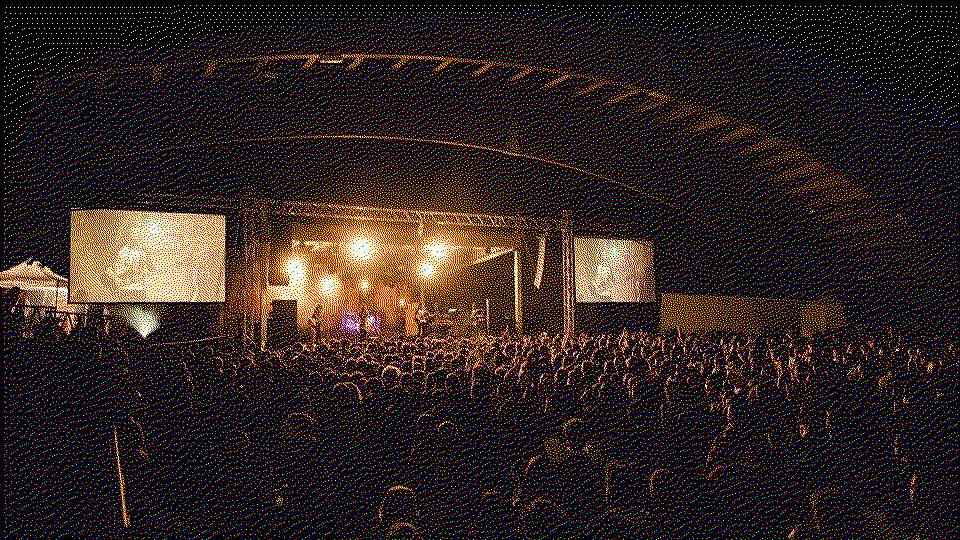
Balla coi Cinghiali was my first love when it came to working at festivals. Born as a free independent festival in a small town, it eventually reached around 80,000 people in a single edition — while being spectacularly unprepared to host them. I joined as a volunteer at 17 after falsifying my ID to pretend I was 18, and the following year I was invited into the permanent staff. I started out managing the campsite and eventually ended up overseeing the main-stage scenography and directing both IMAG and live streaming, coordinating a mixed team of professionals and volunteers.
-
I Miei Migliori Complimenti
Tours and records
Guitar, keys and other nonsense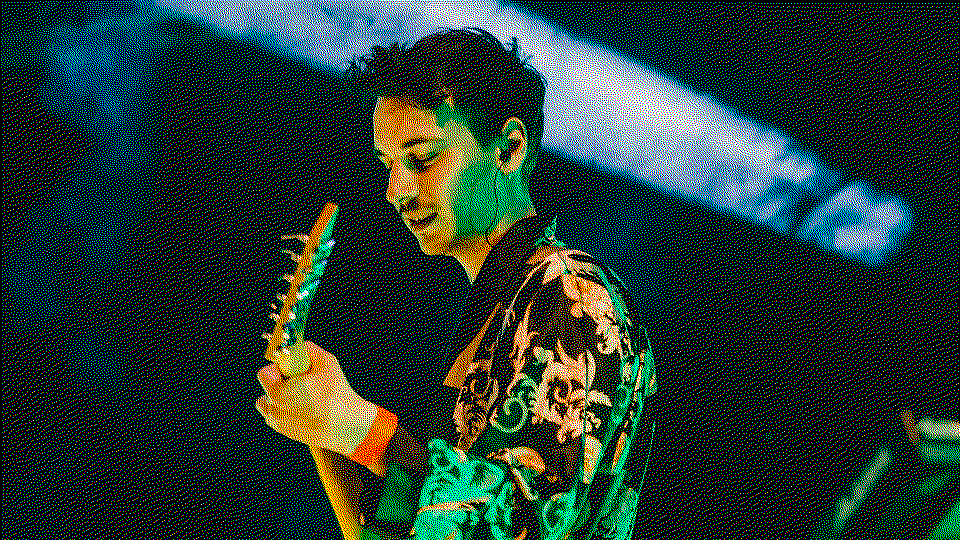
I Miei Migliori Complimenti is more than a project I simply worked on. Originally started by Walter Ferrari, I joined in 2018 and gradually became part of it in pretty much every possible way: directing music videos, developing covers and the overall visual identity, building the live show, joining the band on guitar and keyboards and working on the arrangements. Eventually I also produced an entire record, handling the pre-production myself and recording most of it almost entirely live with a band assembled specifically for the album.
-
Tuborg
Stay Open
Visual Director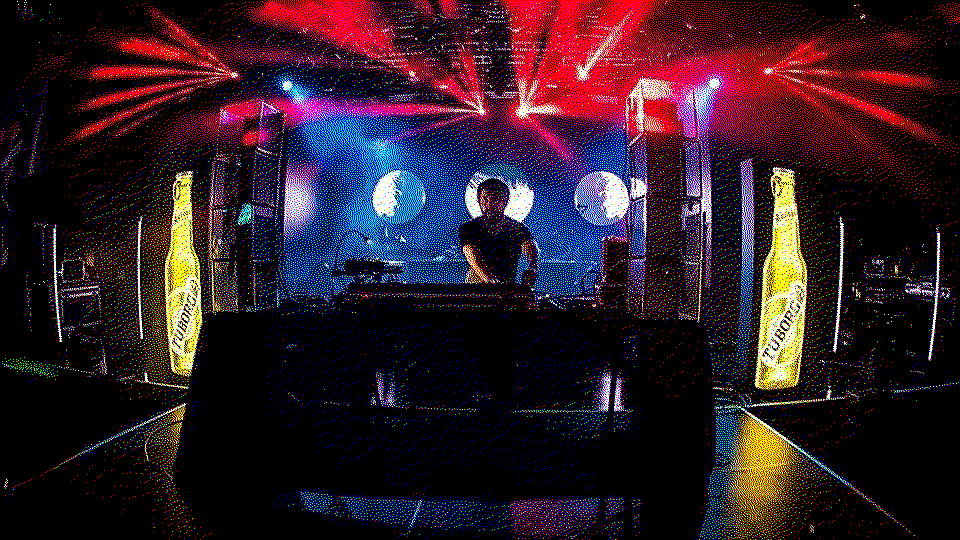
For Stay Open, Tuborg’s Italian closing event for the international Tuborg Open project, I directed and developed the visual content accompanying the different artists performing on stage at Milan’s Fabrique.
-
Rockin 1000
No Borders On Board Linate
Visual Art Director / Live Camera Director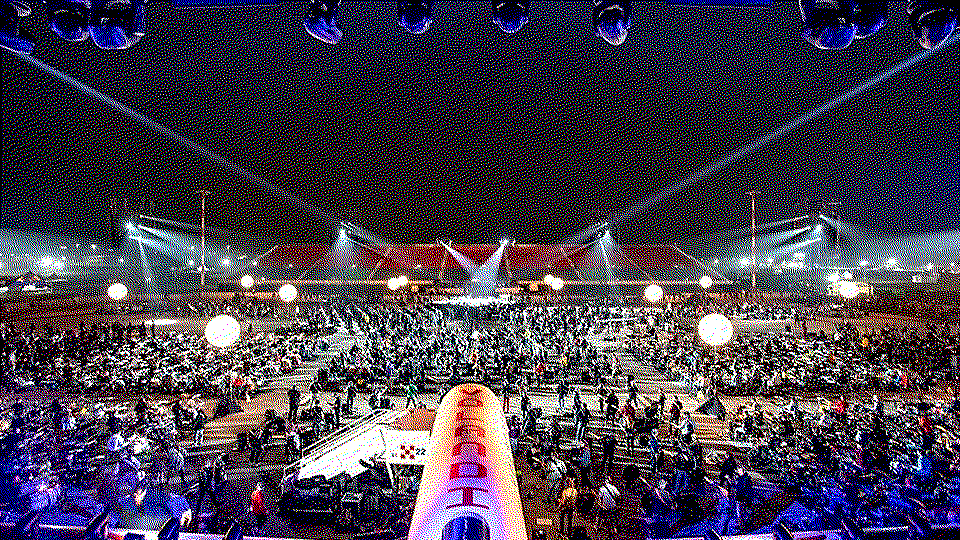
During the temporary closure of Milan Linate Airport, Rockin’1000 brought a thousand musicians directly onto the runways, with guests including Manuel Agnelli, Rodrigo D’Erasmo and Subsonica. With the Galattico team, I developed the airport-themed visual content that shaped the show. I also directed the live IMAG, working alongside Giorgio Testi, who used the same camera setup to shoot a music video from the event.
-
Jovanotti
Lorenzo negli Stadi 2015
Interaction Designer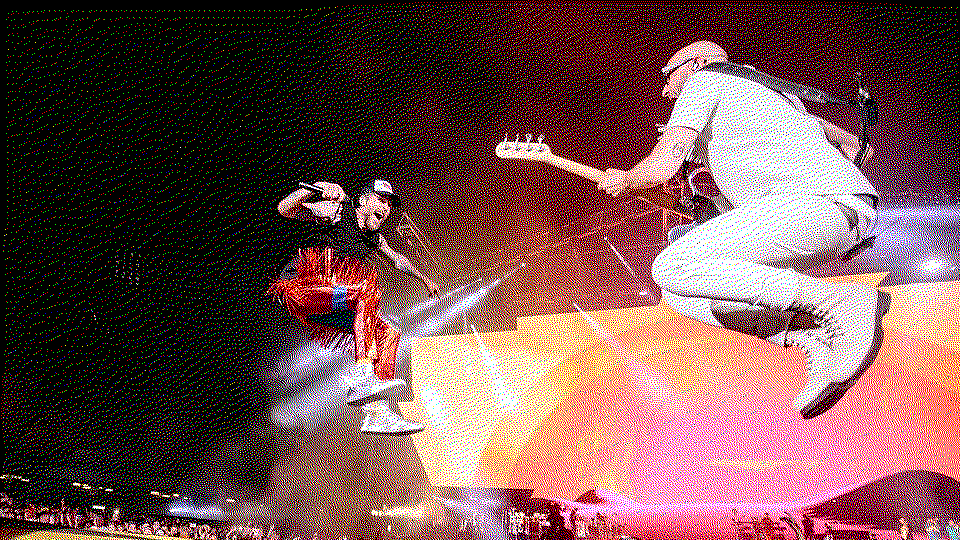
I was brought into this project by Sugo Design, who were developing the live effects layered over the camera feeds. Together with Stefano Polli, I helped build more than a dozen custom patches using Quartz Composer and custom shaders to process the live signal in real time. My very first tour, at 22, and straight into 13 stadiums. Not bad, right?
-
Jovanotti
Lorenzo nei Palasport 2016
Interaction Designer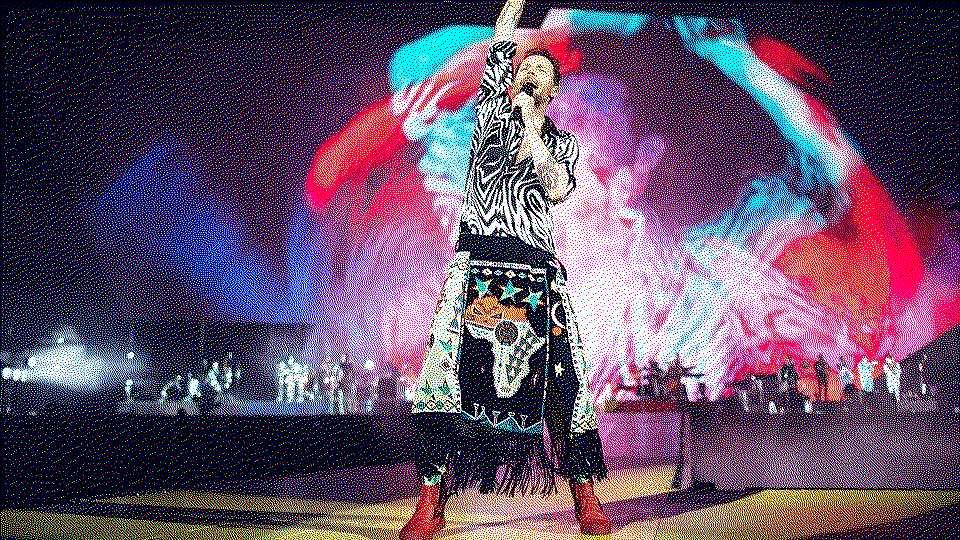
Having already worked on the 2015 stadium show, I continued with Sugo Design on the 2015/16 Italian and European arena tour, again developing live camera effects in Quartz Composer. This time I also explored several custom tracking systems — both visual and radio-based — to generate live visuals from the artist’s position on an LED-covered catwalk. The technology and conditions weren’t quite ready for it, so I ended up building a custom tool to manually follow his position and simulate the tracking instead. I also toured for most of the dates as live visual and tracking operator.
-
Ducati
Fuorisalone Monster 2014
Video Mapping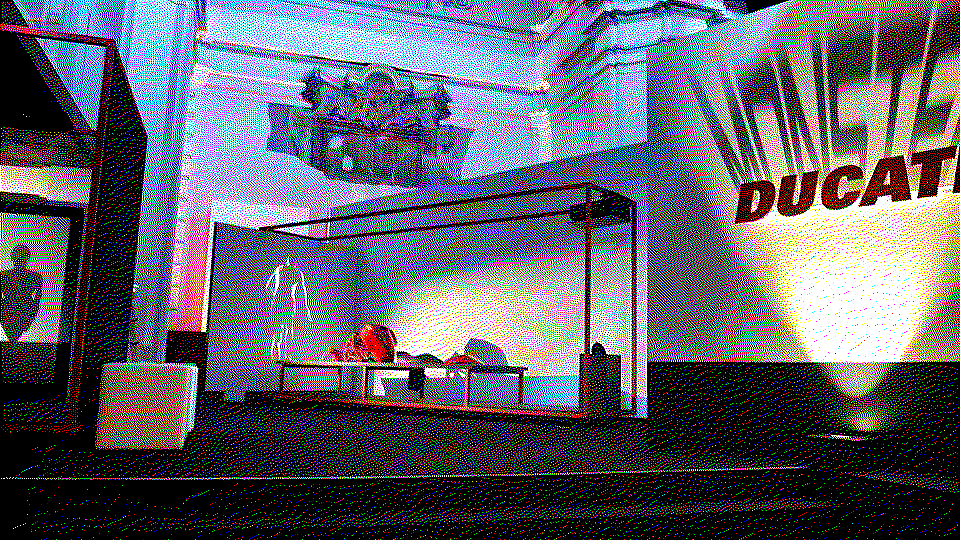
While studying at IED, I was involved in a Ducati installation for Milan Design Week, where a series of works used the shadows of the new Monster to create entirely new images. Mine filled the negative spaces created by those shadows with video projection. Probably one of my first experiences working at the intersection between physical and digital space, and definitely my first time dealing with the marketing department of a motorcycle manufacturer.
-
Fendi
Printemps du Louvre Window
Motion Designer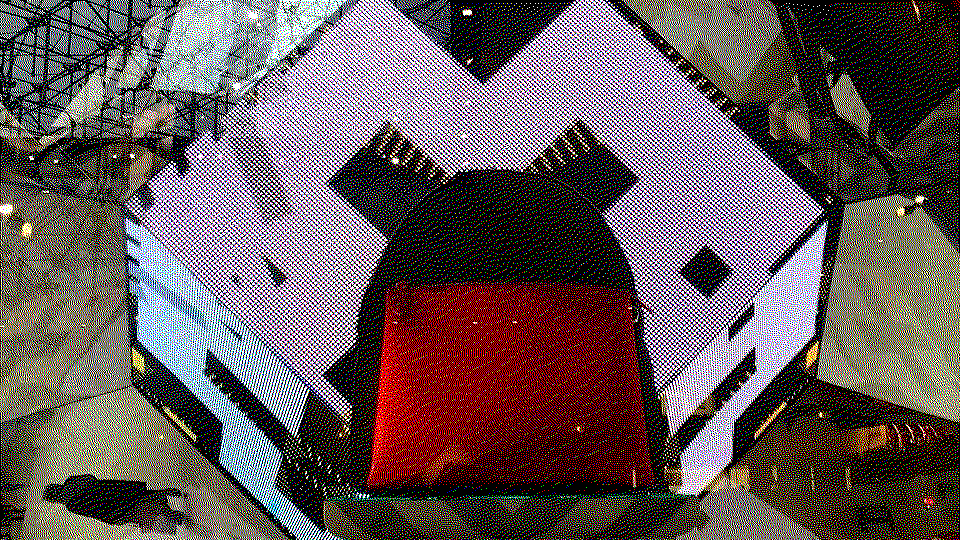
For Fendi, in 2015 I created animated content for a pop-up store inside Printemps du Louvre in Paris. Starting from the campaign textures, I developed animations displayed in window installations surrounded by mirrors, creating the illusion that the imagery extended into the space around them like an infinite mirror.
-
PACTA. dei Teatri
TIYF
Interactive Video Installation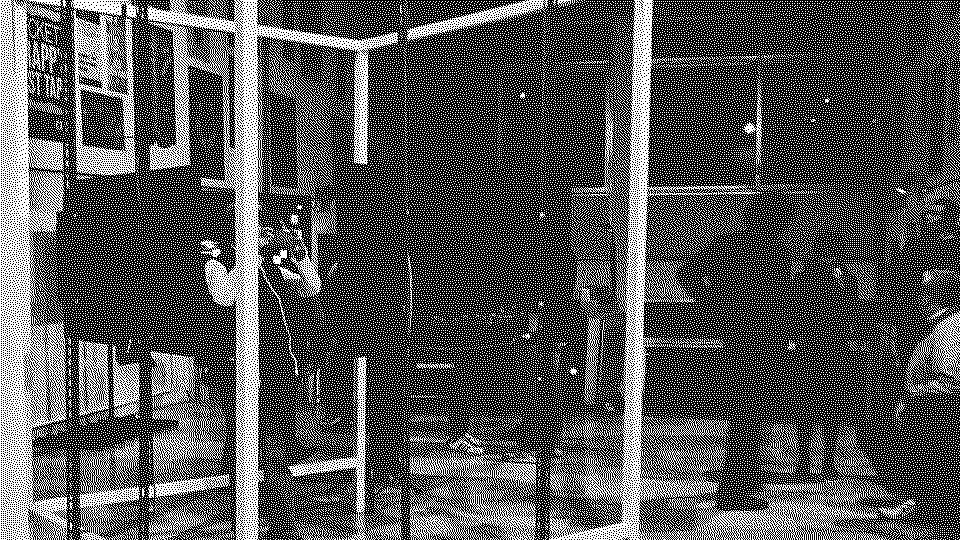
In 2017 I was invited to develop a month-long installation inside a cube-shaped exhibition space in the foyer of a well-known Milan theatre. I used it to explore how identity gets processed digitally: as visitors entered, their faces were captured and progressively degraded through codec corruption until they became almost unrecognisable, then added to a grid of similarly damaged faces with no clear identity left. By the end of the process, the installation almost challenged you to recognise yourself at all.
-
Karmachina
Le regard de Michelangelo
Motion Designer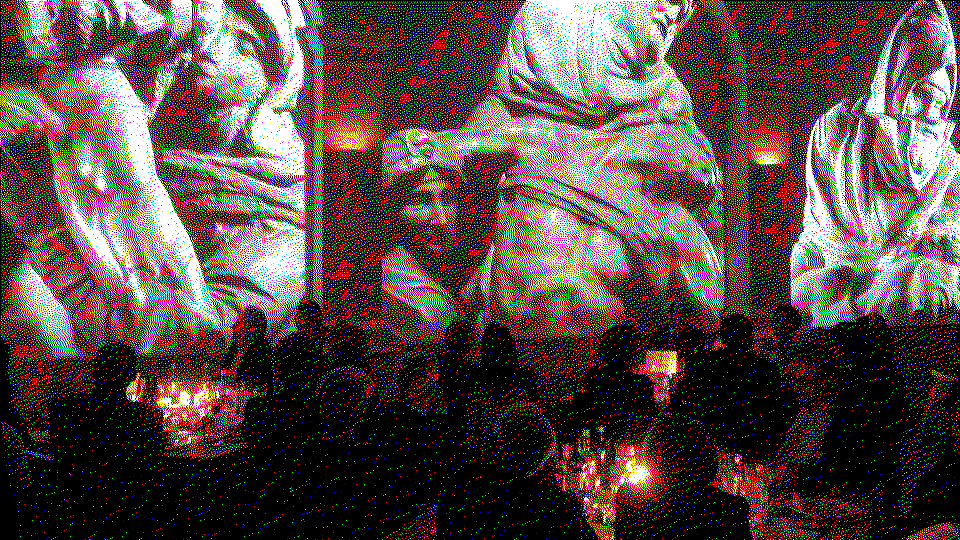
I collaborated with Karmachina, a boutique studio specialising in multimedia environments and installations, on Le Regard de Michelangelo for a private event in Florence. Working on motion design and compositing, I animated paintings and sculptures by Michelangelo so they could spill into the architectural niches of the room, turning the space into a kind of virtual fresco.
-
Mika
Mika Loves Paris
Visual Director (some content only)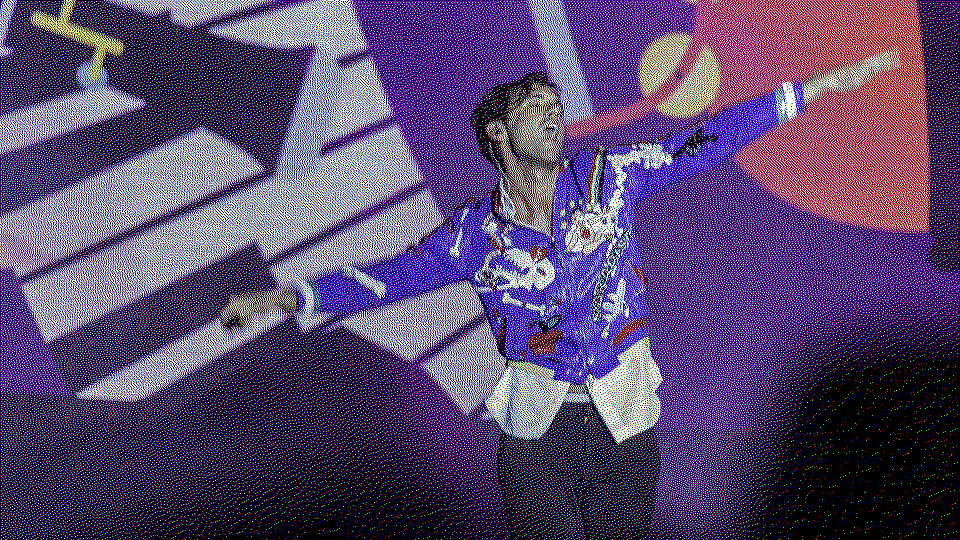
In 2016, art director Paolo De Francesco asked me to join him in creating some of the visuals for Mika’s show at the Bercy Arena in Paris, which later became the concert film Mika Loves Paris, broadcast on Italian and French television. I brought my team into the project, took care of visual coordination and also worked directly on the animation.
-
Diodato
Tour 2023
Set Designer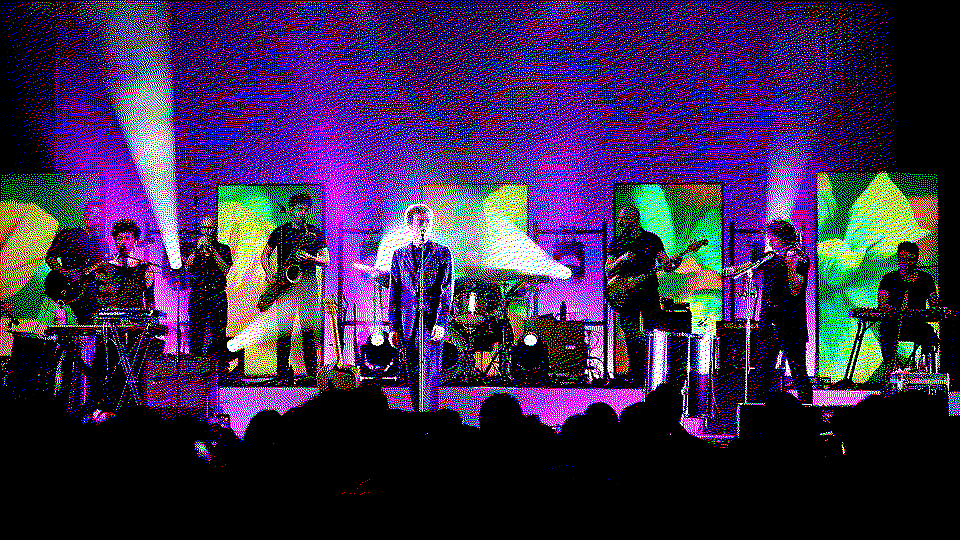
For Diodato’s 2023 tour, we deliberately tried to make the stage feel as non-digital as possible while still allowing it to evolve with the lighting. I designed seven internally lit panels, each built around an RGB LED matrix and covered with printed flowers drawn from the visual world of the album. By changing the colour emitted behind each panel, only selected parts of the flowers — and therefore only certain colours — would become visible, creating a constantly shifting image from an otherwise completely static set.
-
Ligabue
Liga Rock Park
Visual Director (some content only)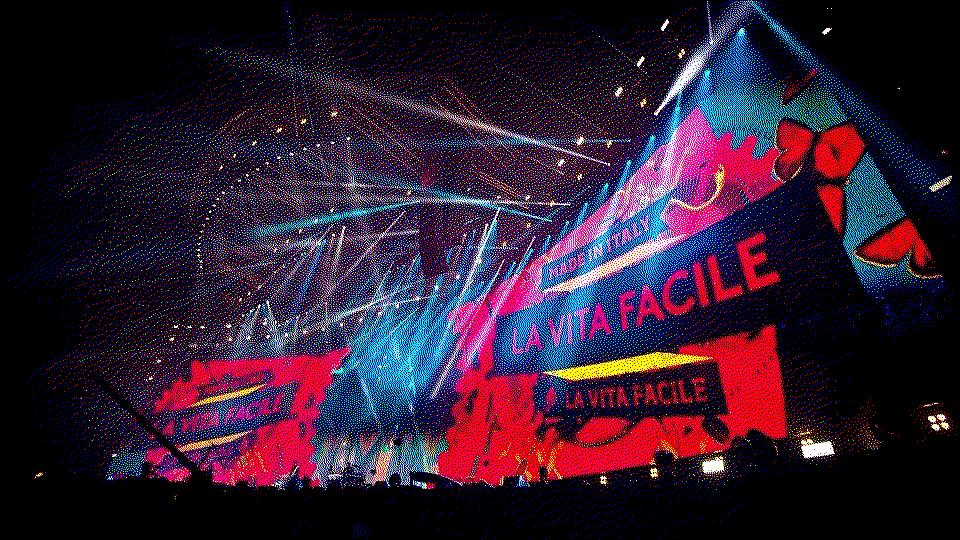
For Liga Rock Park, Ligabue’s massive 2016 show at Monza Park in front of around 130,000 people, I worked alongside Paolo De Francesco, the long-time art director behind the artist’s album artwork, who had been asked to create the visual content for the new songs being performed live for the first time. I coordinated the visual production and also worked directly on the animation.
-
Levante
Nel Caos Club Tour
Visual Creative Director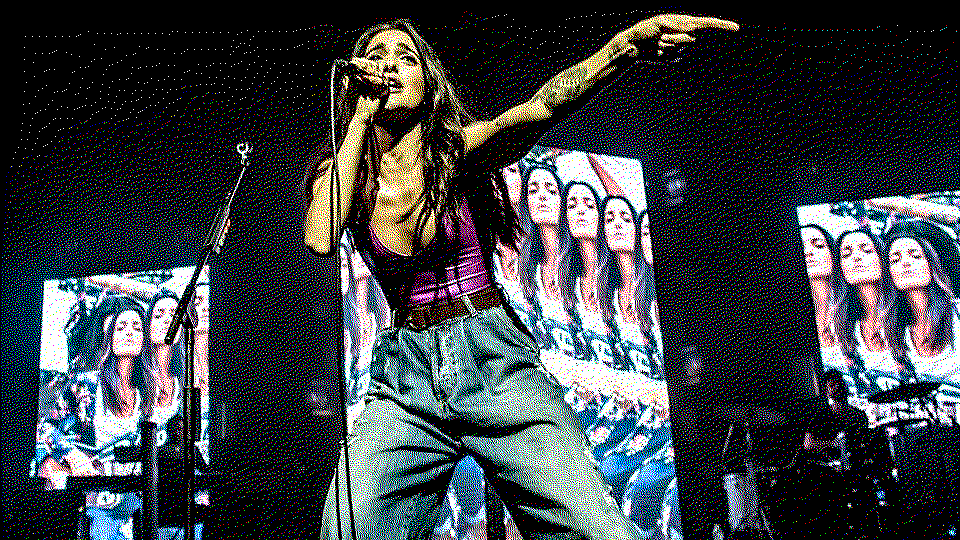
My very first experience in visual art direction, and the beginning of what would become one of my longest-running professional relationships. For Levante’s 2017 club tour, I designed the initial stage and screen layout and led the visual direction. It was the first time she had screens on stage, so we got to build the whole visual language from scratch, in a full-on explosion of animated collage art.
-
Tutti Fenomeni
Lunedì Tour
Show Designer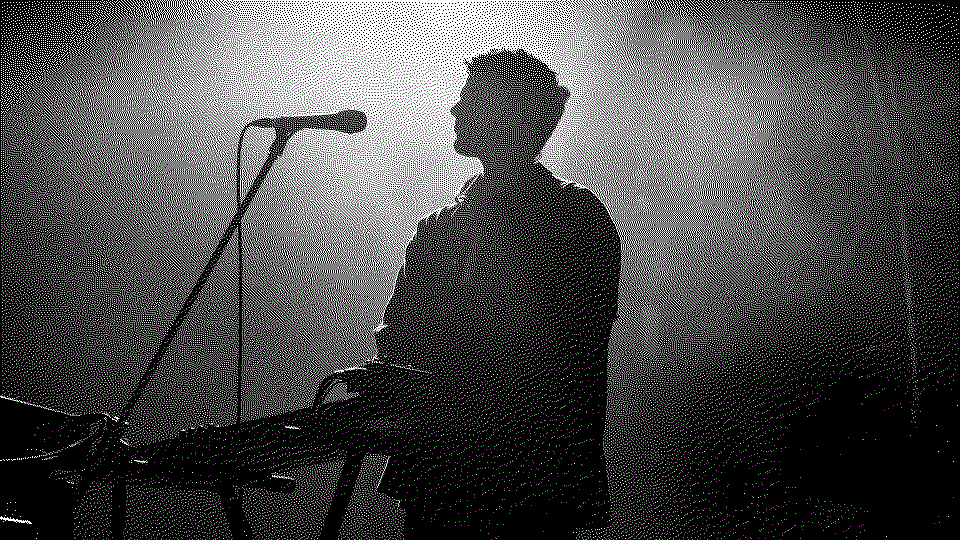
For his return to the stage after almost three years, Giorgio Quarzo Guarascio — aka Tutti Fenomeni — chose a radical approach. Starting from ideas developed with the artist and photographer Lorenzo Castore, I designed a stage and a show using only white light, with no front light and a strong emphasis on backlight. Galattico developed the visual side from Super 8 footage by Damien Daufresne, processing it and combining it with Castore’s photography. I also designed the lighting and brought in a lighting designer for programming and operation. The result is a stark, blinding show, almost unsettling at times in its martial severity — much like Guarascio himself.
-
Negramaro
Amore che Torni Tour
Interaction Designer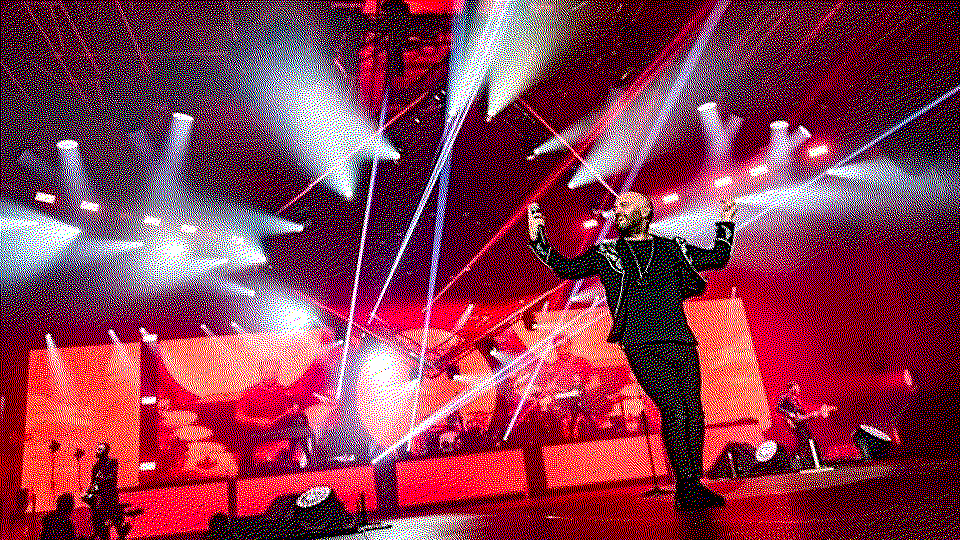
For Negramaro’s 2018 stadium tour, I was brought in to develop real-time effects for the live camera feeds using Notch, which at the time was still a relatively new tool. I built a series of custom looks ranging from colour processing and filters to a more complex effect where the artist’s live silhouette progressively dissolved into a flock of birds.
-
Tomorrowland
Unite with Tomorrowland Italy
Resident VJ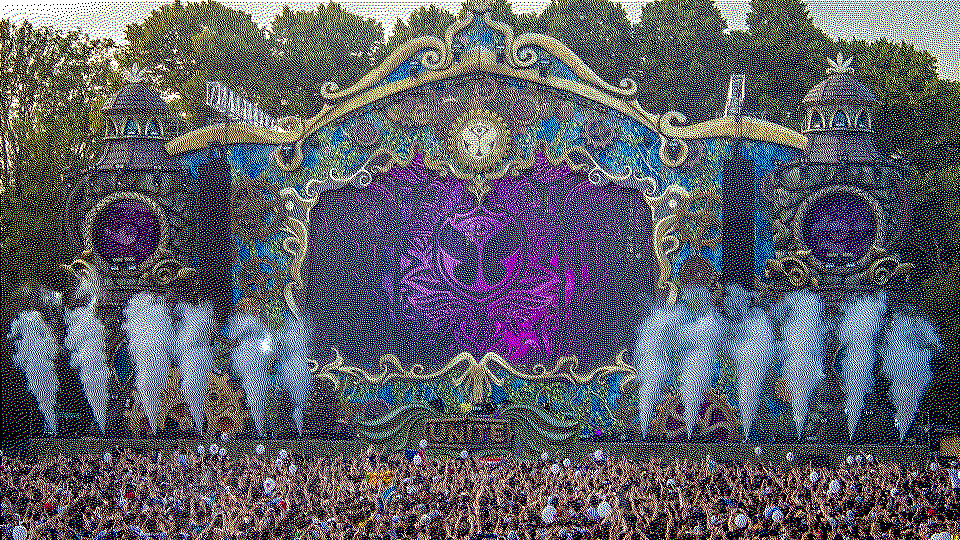
For the first Italian edition of Unite with Tomorrowland — the format that exported the festival to different cities connected live with the main event in Belgium — I was one of the two resident VJs. I handled the creative playback of each DJ’s visual package when available, or improvised with my own libraries when it wasn’t, working directly to cues from Tomorrowland’s show caller.
-
Giorgia
Oronero Live
Visual Art Director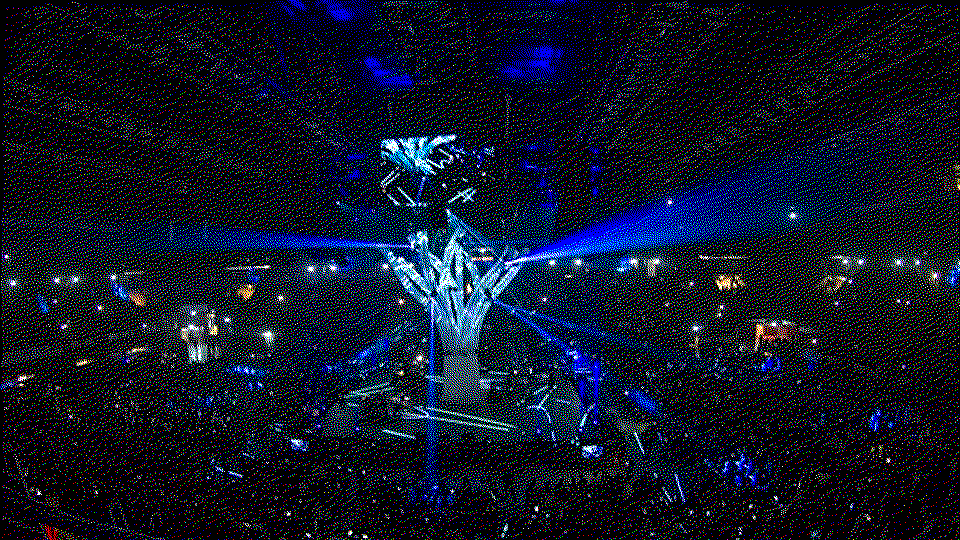
For Giorgia’s Oronero Live, a particularly delicate 360° arena setup built around a suspended curved-truss structure resembling a tree, I developed and led the visual direction, then coordinated the team producing the content and supervised its programming for the show.
-
Levante
Caos nei Teatri Tour
Creative Director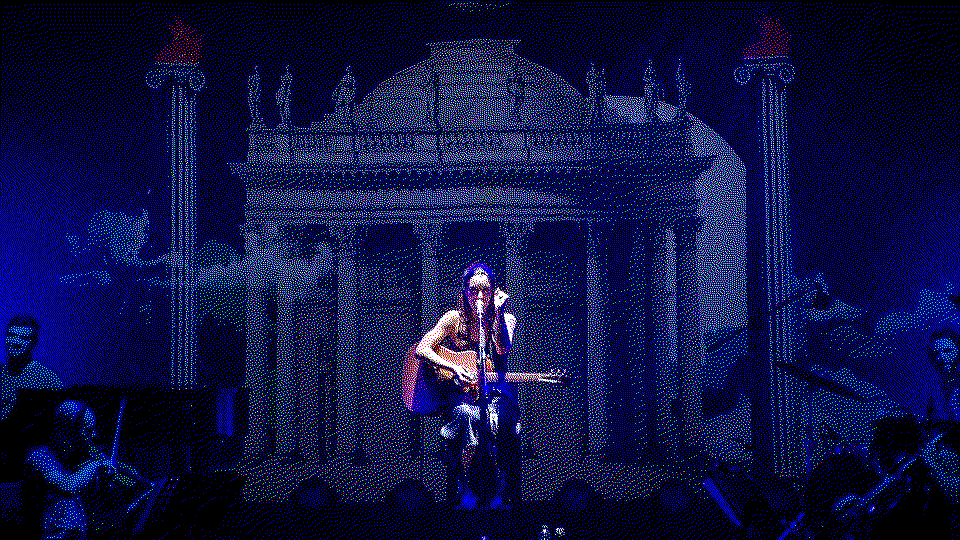
Probably one of the projects that moved me the most, especially that early in my career. For this theatre tour, I had the chance to design a stage where projections across several layers of hand-moved transparent surfaces created a magical, almost ethereal space. I also developed the visual content with a strongly narrative approach, bringing established digital collage artists into the creative process.
-
Max Gazzè
La Favola di Adamo ed Eva
Creative Director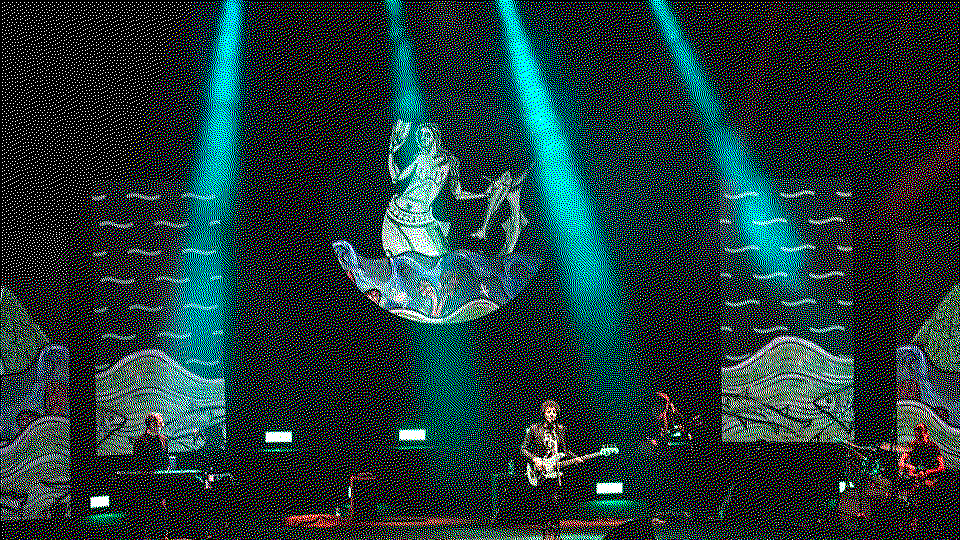
The three shows at Auditorium Parco della Musica in Rome celebrating the 20th anniversary of Max Gazzè’s La Favola di Adamo ed Eva were a rare chance to build the entire visual grammar of the show around the most absurd scenes we could find in medieval miniatures, then invent new ones from the same language. I designed the projection surfaces to resemble cathedral architecture, with a central rose window, then led the visual creative direction and also worked directly on the animation.
-
Pop X
Il mio cuore è occupato
Director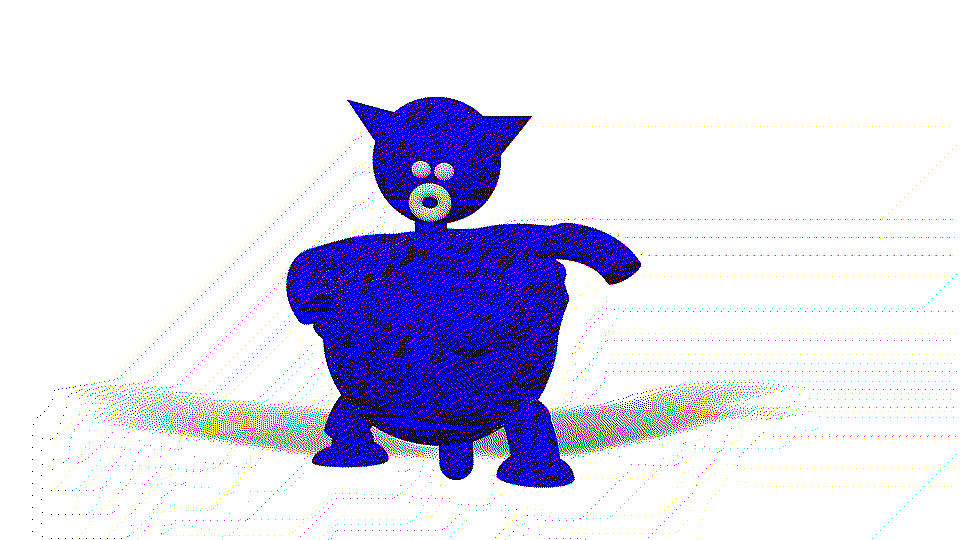
For the video for Il mio cuore è occupato, I worked with Pop X — a cult figure of the Italian independent scene and one of my favourite artists — to build the entire piece around a character he had modelled himself using Windows’ built-in 3D tools. We created an extremely stripped-back world in which the character simply dances and moves against a white background, producing something that, to me, feels very Pop X: simultaneously paroxysmal and lyrical.
-
Ernia
Tutti hanno Paura Arena Tour
Live Camera Director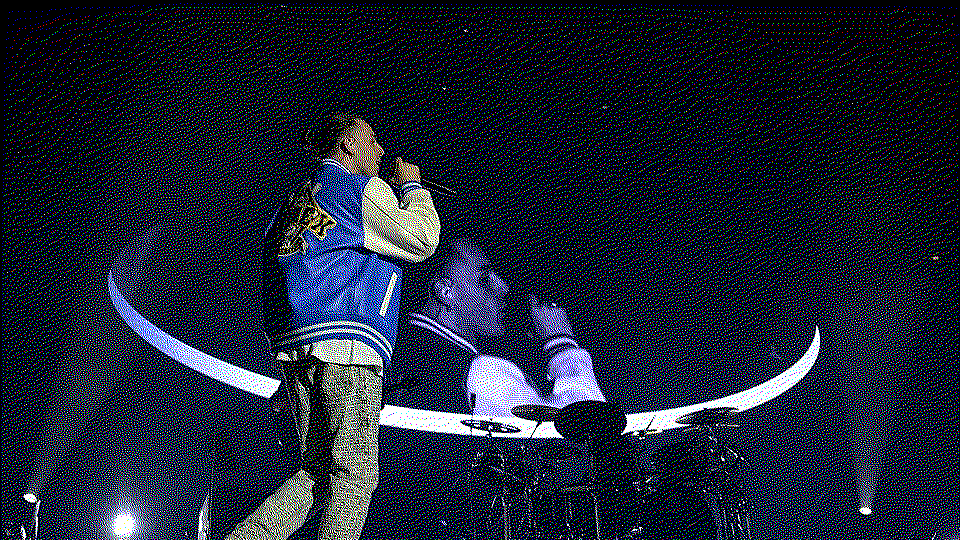
For Ernia’s first arena tour, besides working with the Galattico team on the visual concept, I personally directed the live cameras, building a language around multiple simultaneous program feeds often blended directly with the visuals, with a strongly urban approach.
-
Alessandra Amoroso
AA10 Tour
Visual Director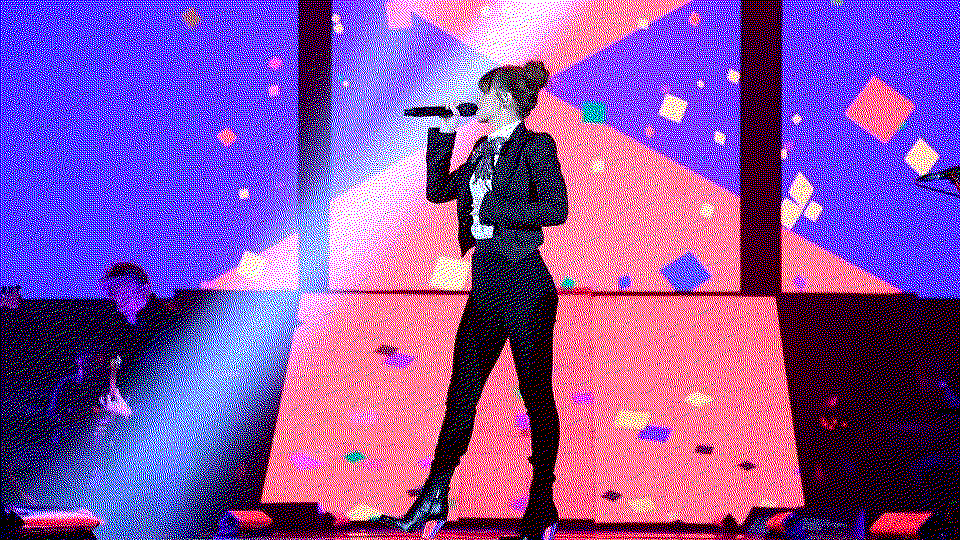
Brought in by Studio Prodesign to handle the visual production for this 32-date arena tour celebrating ten years of the artist’s career, I personally oversaw both the coordination and creative direction of the visuals for a complex stage built around moving surfaces and an LED catwalk. I also directed the shoot for the artist-based content we created, bringing in my long-time director of photography for the job.
-
Giorgio Poi
Smog Tour
Visual Art Director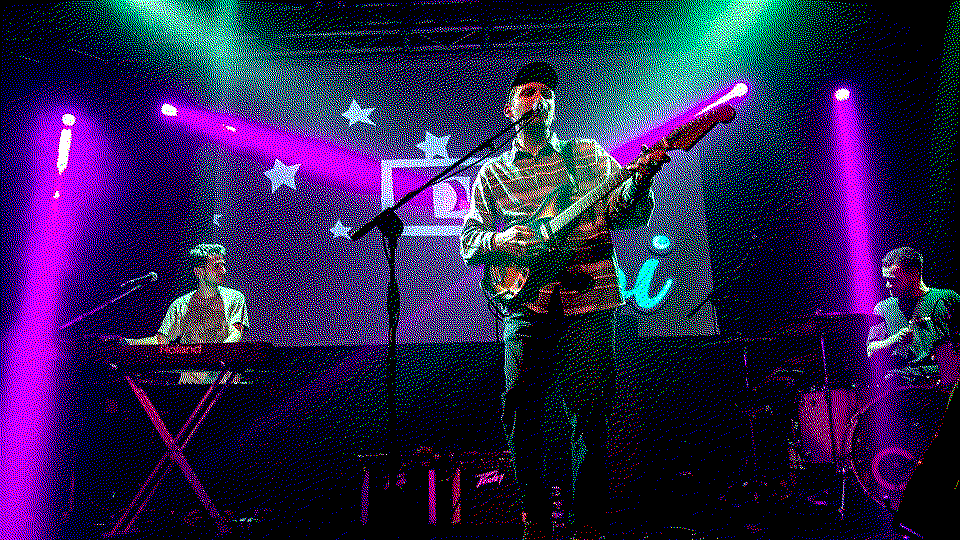
The first time I worked with Giorgio Poi, whose shows I’ve ended up working on almost ever since, I was asked to create a timecoded visual pack for a summer tour that wouldn’t even have a lighting designer on the road. With the team I brought in, we built a language of bold colours and childlike drawings inspired by the album artwork, designed to fill and almost take over the stage, becoming co-protagonists of the show rather than just background content.
-
Armani Basket
Mapping Forum
Creative Director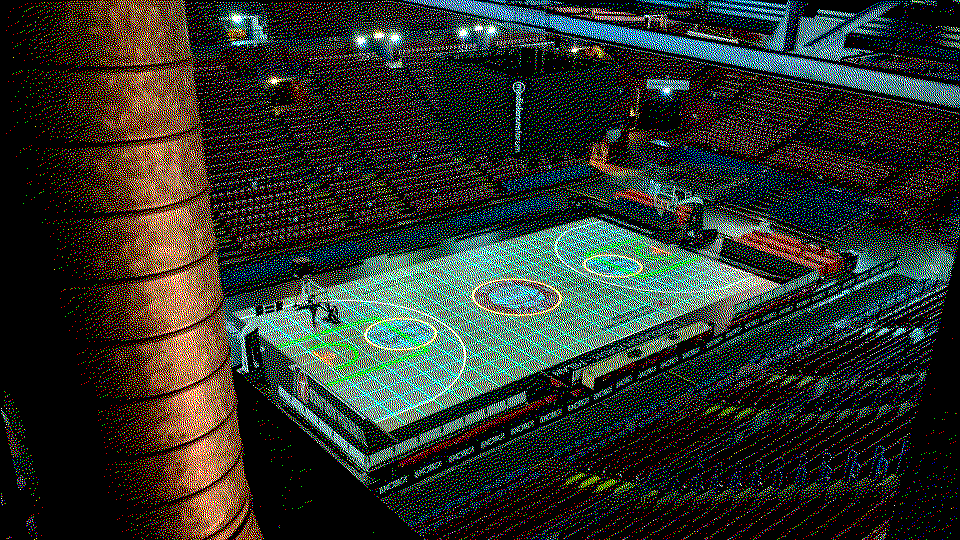
For STS Communication, I handled the creative direction and production of a court mapping projected onto the basketball floor at the Forum in Assago before the game between Armani Milano and CSKA Moscow. Commissioned by the home team, the piece used forced perspective tailored to the television camera angle to simulate 3D effects interacting with the court, alongside player cards.
-
I Miei Migliori Complimenti
Shazam
Director
For I Miei Migliori Complimenti — a project I would later become involved with on the music side as well — I directed the video for Shazam, from their first EP.
-
Pinguini Tattici Nucleari
Arena Tour
Live Camera Director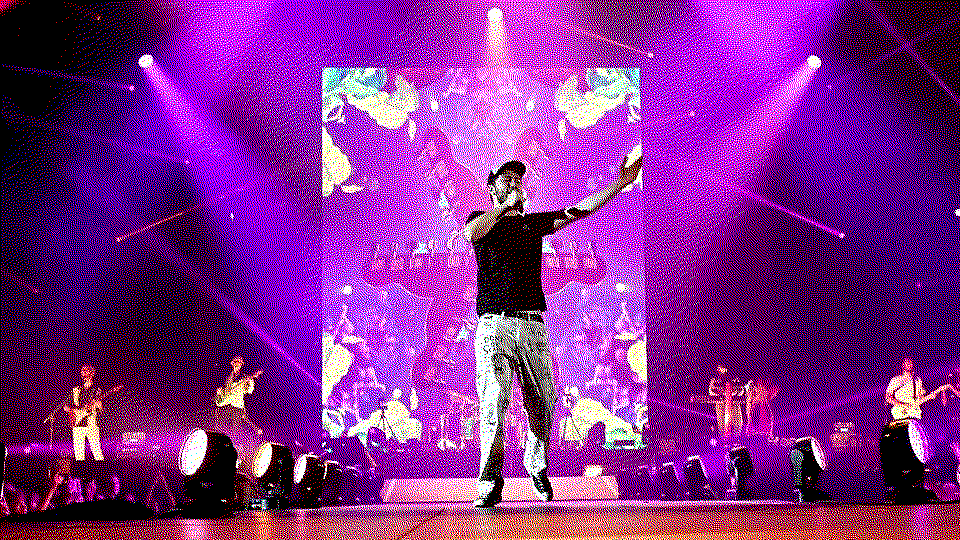
For Pinguini Tattici Nucleari’s first arena tour — originally scheduled for 2020 and finally brought back two years later after the pandemic — I was brought in to direct the live cameras and develop the Notch effects used to process and integrate them into the show’s visual language.
-
Calibro 35
Scacco al Maestro
Visual Director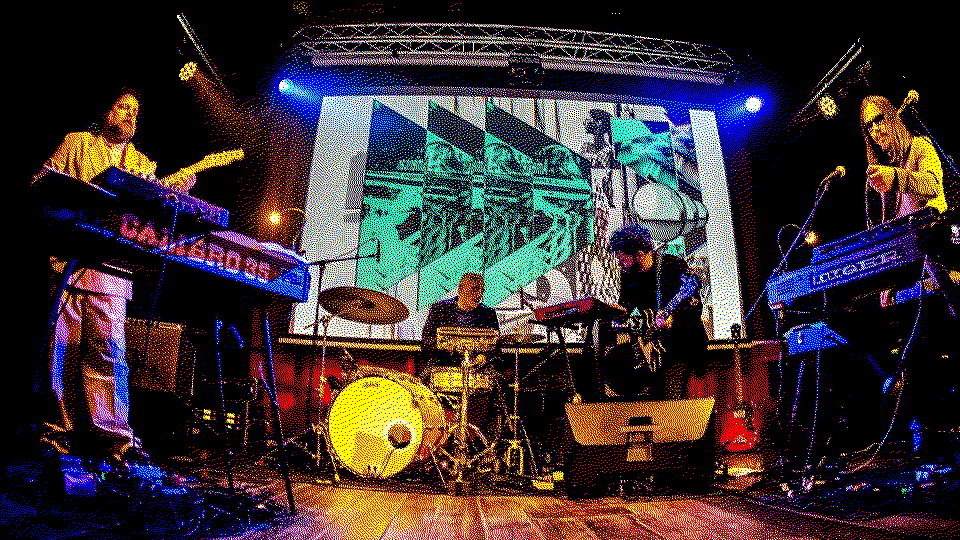
In 2022, Calibro 35 — an Italian cult band sampled even by Jay-Z — released their own tribute to Morricone’s film scores. For the release event, I was asked to come up with a creative proposal for a visual pack built by animating the band’s record covers in sync with the evening’s setlist, which I then produced together with the Galattico team.
-
MI AMI
Festival
Video Producer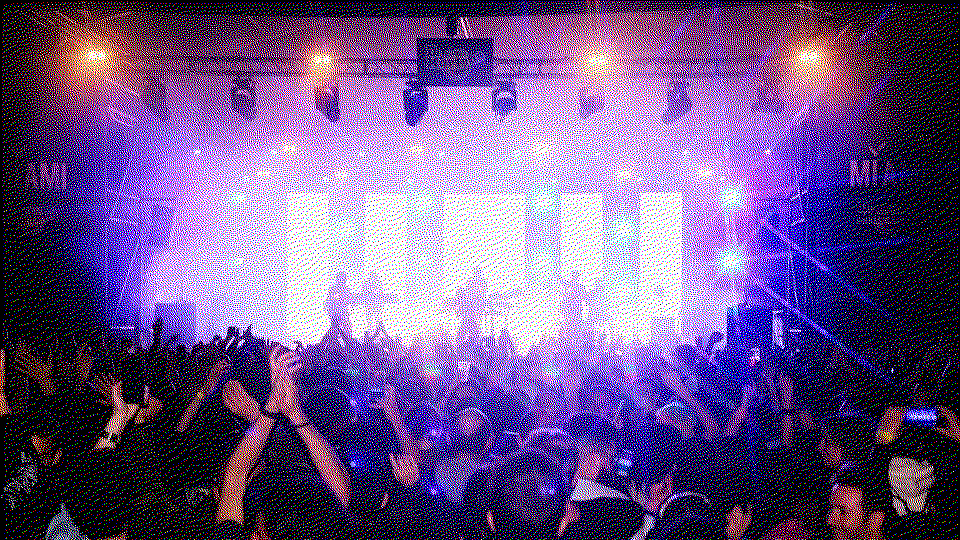
Since 2022, through Galattico, I’ve coordinated the visual side of MI AMI, Italy’s main independent music festival in Milan, from supervising the original visual assets created each year with different illustrators to working as senior video producer, handling the technical and production needs of 50+ artist productions every edition. In 2026 we also introduced live IMAG camera direction and started working on sponsor activations, including custom interactive elements.
-
Alessandra Amoroso
San Siro Stadium
Shooting Content Director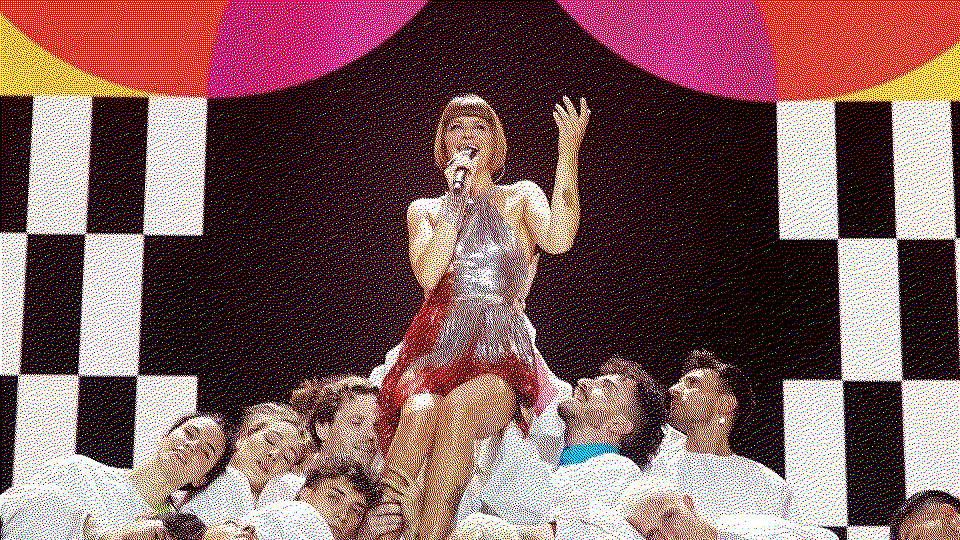
For Alessandra Amoroso’s first San Siro show — making her only the second Italian female artist to headline the stadium after Laura Pausini — Galattico was once again brought in by Studio Prodesign to produce the visuals. Besides overseeing the visual project, I directed the shoot for a large part of the content, working directly with the artist and performers before handing the footage over to the motion design team for the final treatment.
-
Blanco
Blu Celeste Tour
Visual Co-Direction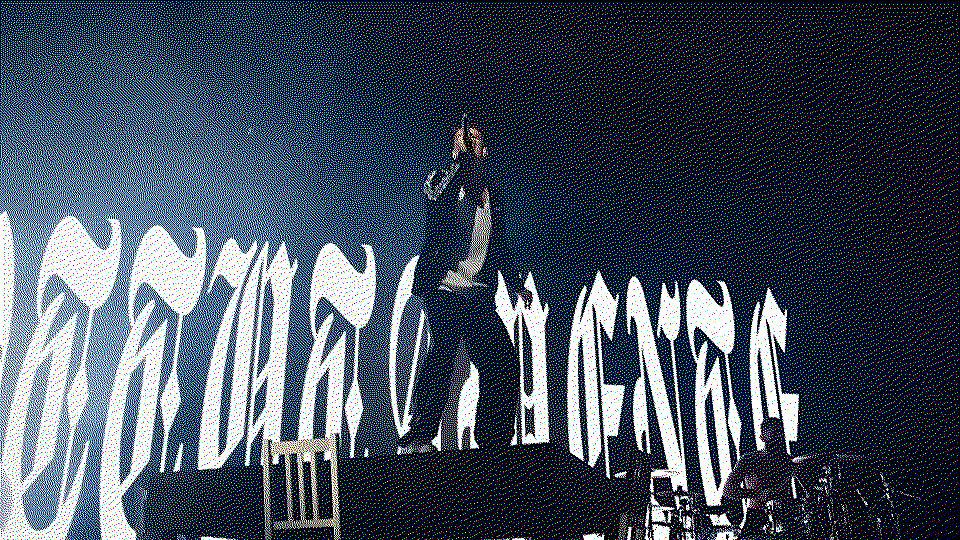
For Blanco’s first tour - still extremely young, but already coming straight off a Sanremo win - Galattico worked alongside architect Fabio Novembre, who was leading the creative direction of the show and had chosen a radical black-and-white visual language. I coordinated the production of the visuals, supporting the studio’s internal art direction and getting directly involved in creating some of the content myself.
-
Irama
Arena Tour
Interaction Designer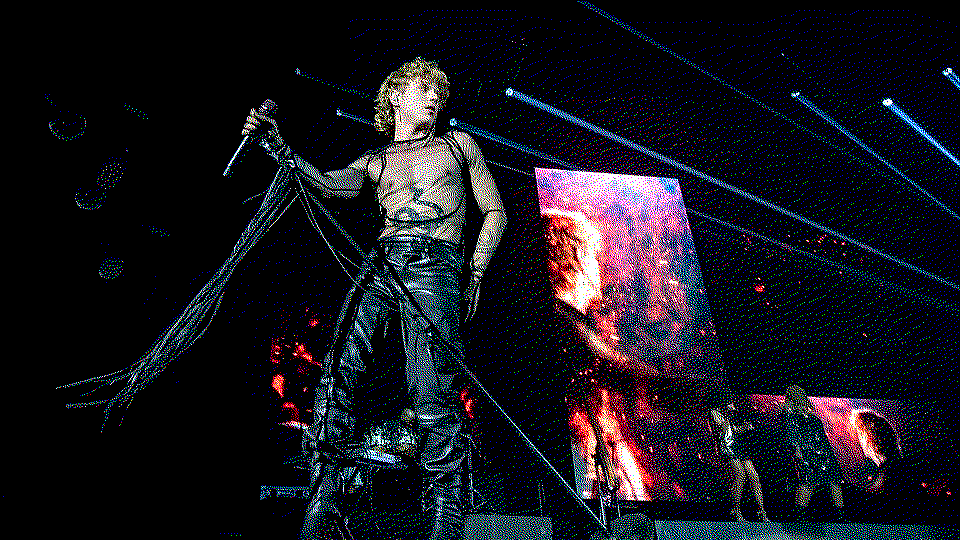
For Irama’s 2022 arena tour, I worked with the Galattico team on developing the visual art direction, while personally focusing on custom effects for the live camera feeds. I developed the effects in Notch and also handled their live operation through a custom hardware setup during the shows.
-
Live Performers Meeting
Hyperpresence
Live Performance
For Hyperpresence at Live Performers Meeting, a cult festival for digital performance, I collaborated with Milan tattoo artist Primitivo and musician arottenbit on a piece where the tattooing itself became the performance. While Primitivo improvised directly on the musician’s body, ECG sensors measured his physical response to the pain. I used those values in a custom patch to control lights aimed at the audience and feed data into the Max patch generating the sound landscape, turning the transfer of energy between the two bodies into light and sound.
-
Pacta dei Teatri
Shocking Elsa
Visual Director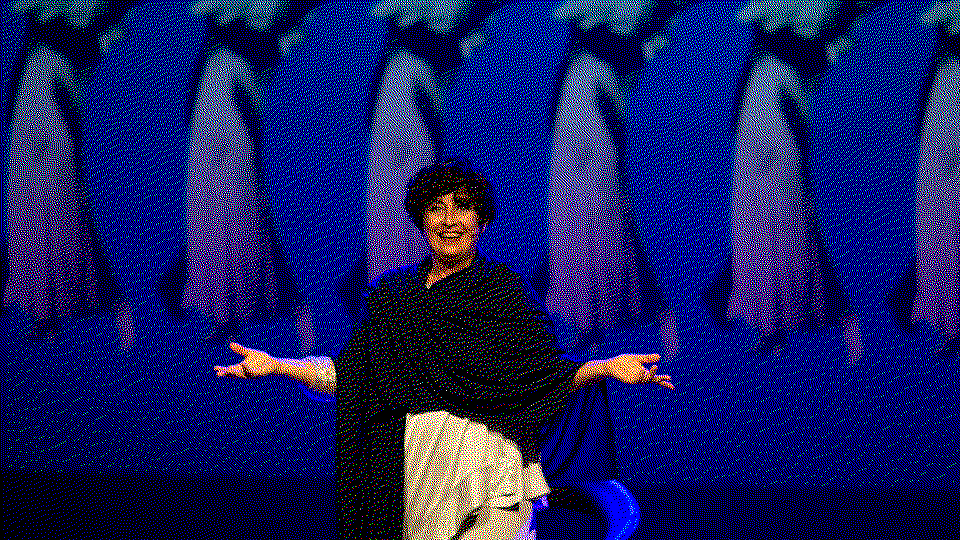
For Shocking Elsa, directed by Alberto Oliva and performed as a monologue by Maria Eugenia D’Amico, we built a visual environment inspired by the language of a television quiz show — fittingly, one of the only filmed appearances of Elsa Schiaparelli is from a TV quiz. From there, the scenography gradually breaks away from that structure and moves into more dreamlike territory. For Galattico, I took care of the visual dramaturgy and adapted the concept to the technical possibilities of the theatre.
-
Kerakoll
Convention 2020
Camera Director / Visual Director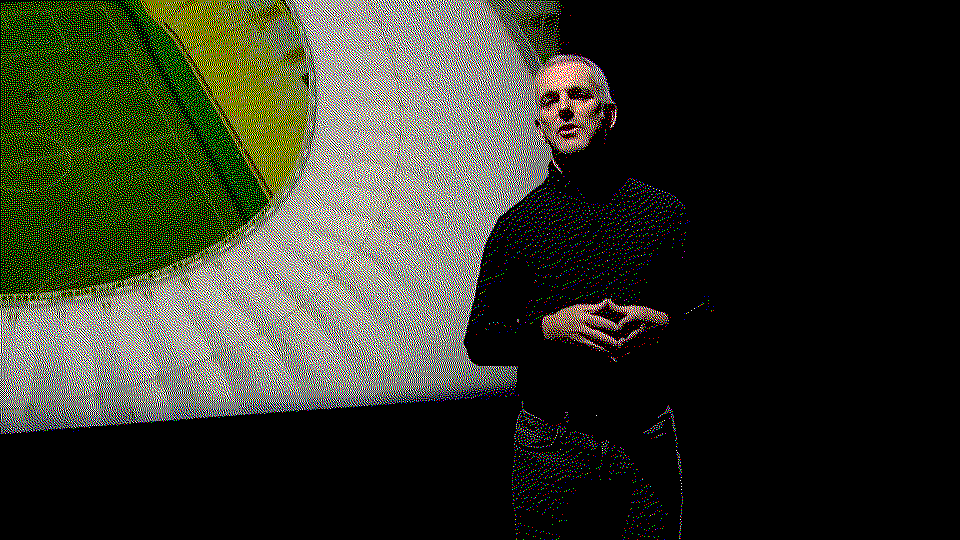
For Kerakoll’s 2020 convention, produced as a live-streamed event during the pandemic, Studio Blanco brought in Carlo Zoratti as creative director, who then asked me to handle the multicamera direction and develop the visual side of the XR set. We deliberately moved away from the usual corporate-event language, building environments inspired by James Turrell’s luminous geometries and integrating the speakers’ supporting content directly into the LED walls around them.
-
I Miei Migliori Complimenti
Proverbio Giapponese
Director
For I Miei Migliori Complimenti, a project I'm involved with on the music side as well, I wrote and directed the video for Proverbio Giapponese on a micro-budget, shooting the models on green screen and building the rest around digital environments. Then, as we were wrapping the set, I decided to use the teardown itself to shoot a second song and fold it into the same music video.
-
Nu Genea
Sciallà
Co-director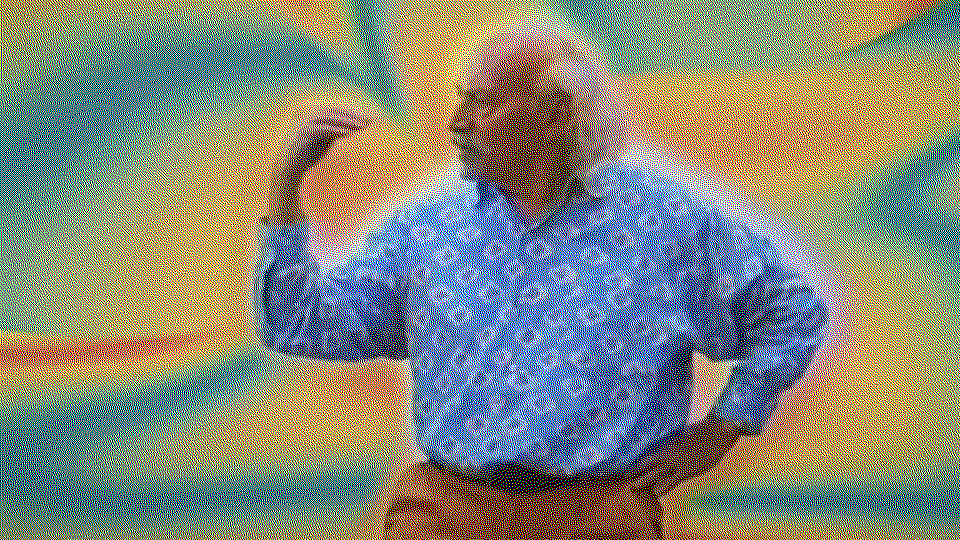
For Nu Genea’s Sciallà music video, I was brought in to co-direct alongside Fabio Gargano and Guido Lombardi, long-time collaborators of the band. With the Galattico team, we built an absurd visual world somewhere between the 1970s and the digital age, gradually turning the images of a party into a psychedelic trip. Besides contributing to the writing process and developing the graphic language, I worked alongside the other two directors on set to make the transition between the two worlds feel seamless.
-
Teatro alla Scala
Medée
Video Content Designer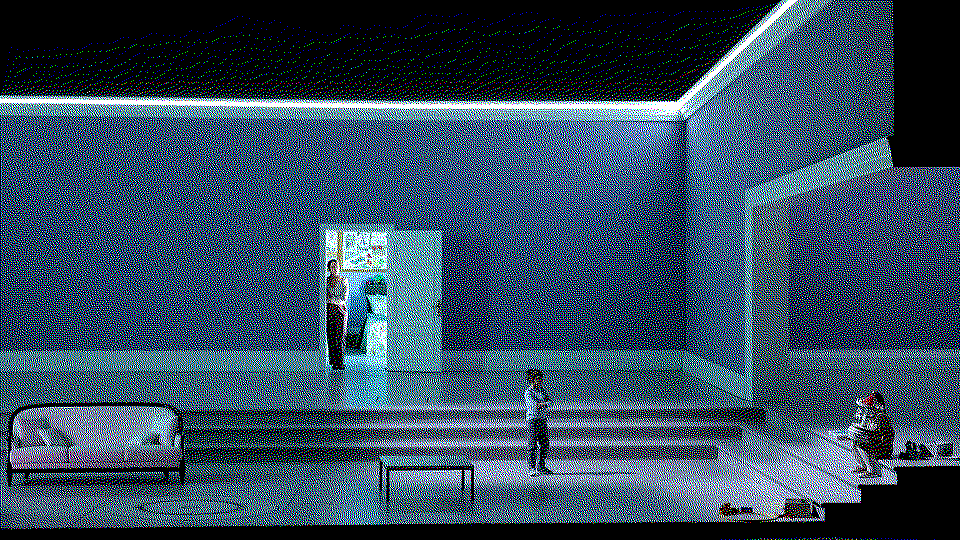
For the first staging at La Scala of Cherubini’s original French version of Médée, Damiano Michieletto brought me in again to help integrate video into the production. I animated textual elements appearing transparently across the stage, and directed a shoot in a 19th-century villa for scenes that had to happen offstage and be shown on a suspended screen, also supervising the post-production.
-
In/Visible Cities
FIVE
Video Live Performance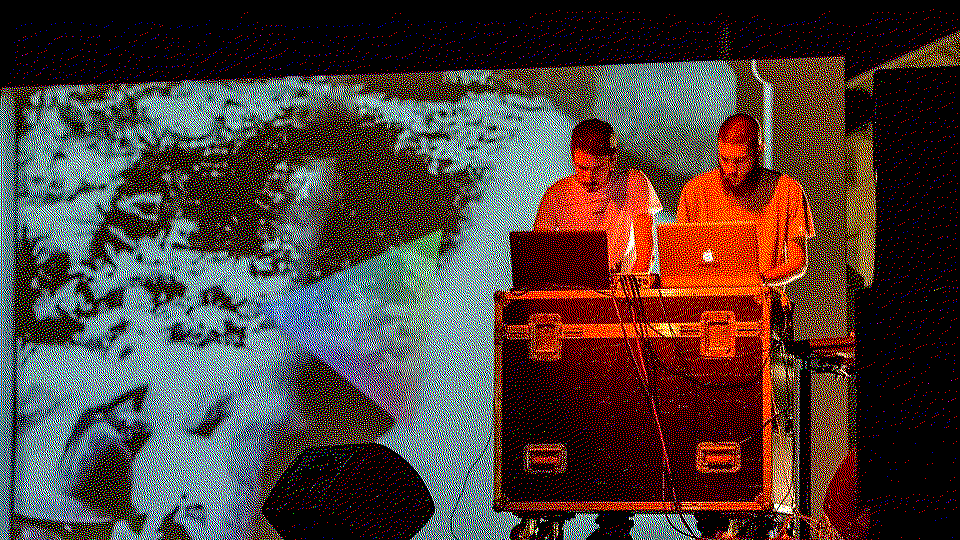
For In\Visible Cities, a festival between Italy and Slovenia whose 2015 edition focused on the theme Cities and War, I was invited to present a performance with musician Filippo Slaviero. We created a five-chapter piece performed entirely live, both in sound and image, using custom Quartz Composer and Isadora patches.
-
Giorgio Poi
Theatre Tour
Art Co-Director / Live Video Director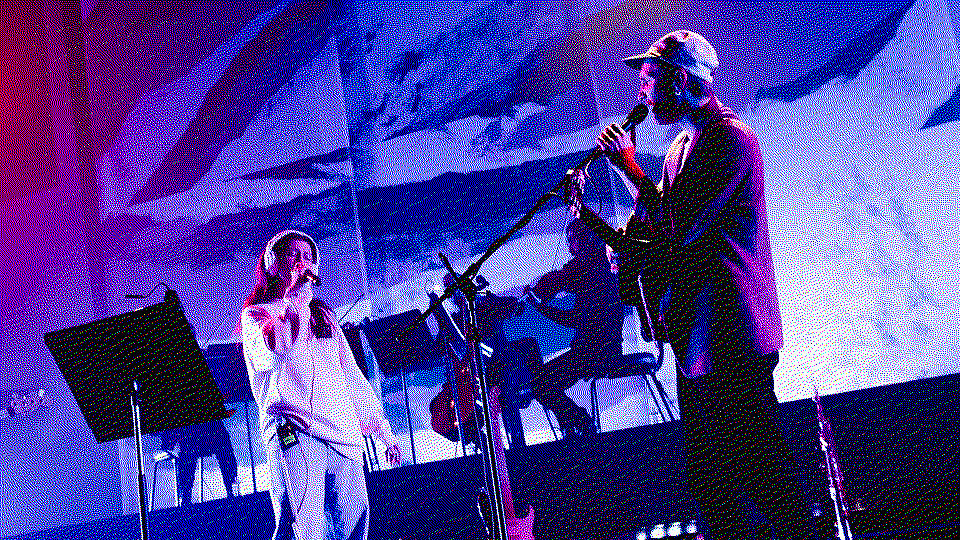
For Giorgio Poi’s 2022 theatre tour, one of the first shows back after the pandemic, I once again worked with lighting designer Martino Cerati on a hybrid approach between lighting and video. A large part of the LED bars on stage were controlled by me as a video matrix, while I also produced the content for the LED surfaces covering the musicians’ platforms. During the Rome date, we also shot the show multicamera, and I later directed and edited a series of live videos from it.
-
Levante
Magmamemoria
Art Director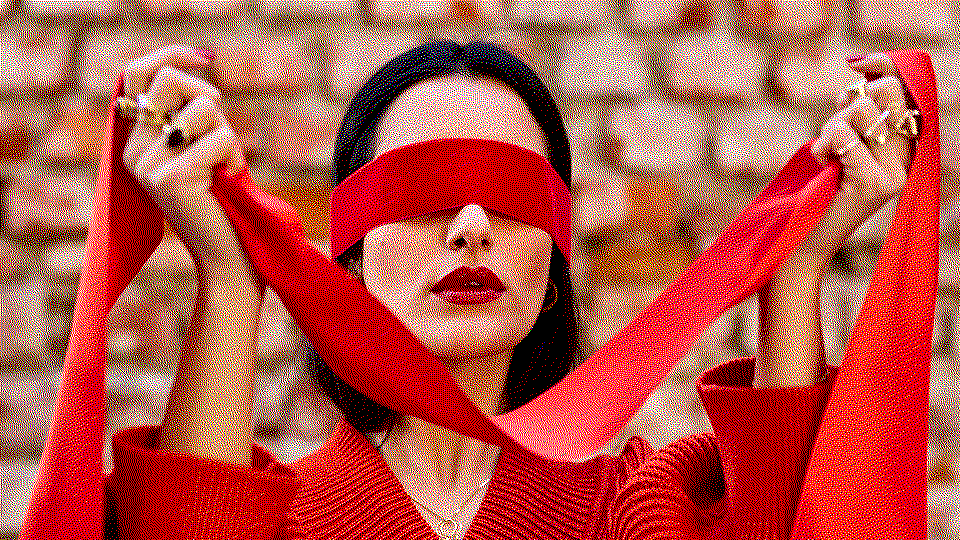
As part of my ongoing collaboration with Levante, Warner Music brought me in to oversee the creative direction of the entire visual campaign around her fourth album, Magmamemoria. I directed photo and video shoots, supervised the production of the album artwork and music videos, and worked with the Galattico team on the physical and digital covers for both the singles and the album itself.
-
TIM Vision
Luoghi Suoni e Parole - Opening Titles
Art Director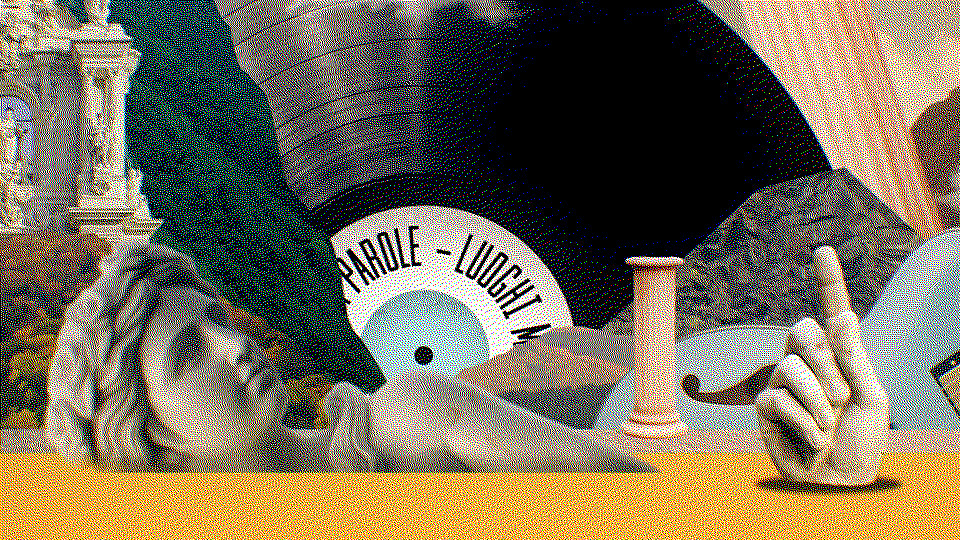
Director Giorgio Testi asked me to create the opening titles for Luoghi, suoni e parole, an original TIMVISION and Rolling Stone series of eight monographic episodes in which Italian musicians explored their relationship with a city through places, memories, encounters and live performances. I developed the visual concept together with the Galattico team, and we collectively designed and animated the sequence.
-
Psicologi
DIY Tour
Creative Director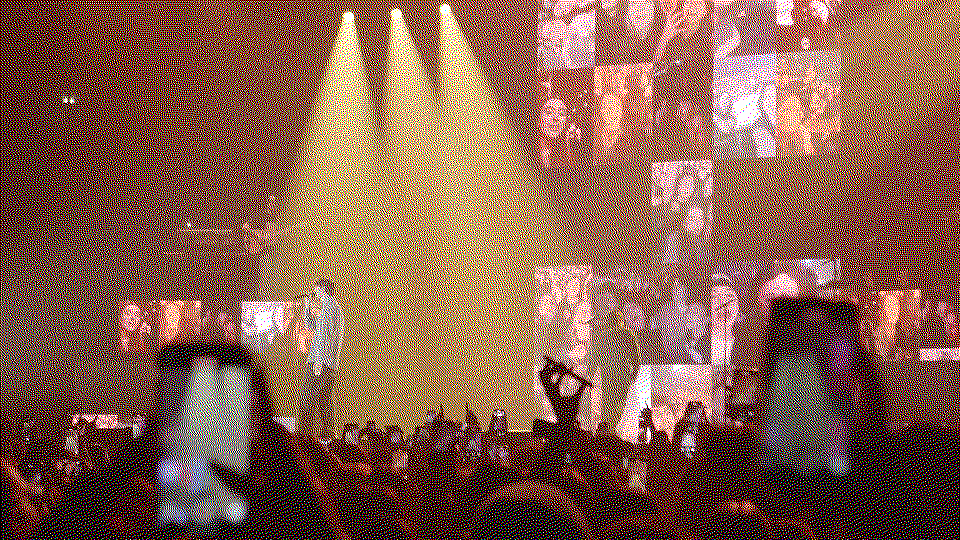
For the release of DIY, Psicologi reunited after a period spent working on their solo projects, and the reunion became the occasion for an arena tour. For the show, I designed a stage built around a vertical monolith shaped like a smartphone screen, dominating the space almost like a totem. With the Galattico team, we developed a Gen Z-oriented visual language that both embraced and critically reflected on shrinking attention spans, with an AI avatar constantly interacting with the artists on stage. We also developed a custom tool that allowed audience members to scan a QR code and share their phone’s live video feed with our control room, creating an absurd multicamera setup in which every spectator could become part of the show.
-
LA7
Liberi e Pensanti - Opening Titles
Art Director / Motion Designer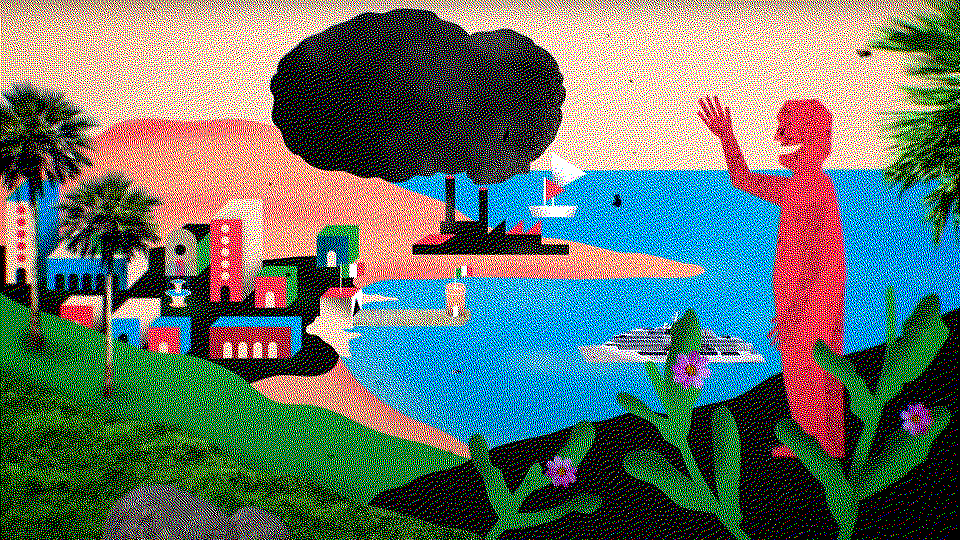
In 2020, when Taranto’s traditional May Day concert was cancelled because of the pandemic and turned into a documentary film directed by Giorgio Testi, Francesco Zippel and Fabrizio Fichera, Galattico contributed to the project by collectively designing, illustrating and animating the opening titles. We did it as a contribution to the cause of the workers of the ILVA steelworks in Taranto.
-
Teatro dell'Opera di Roma
Mass
Video Content Designer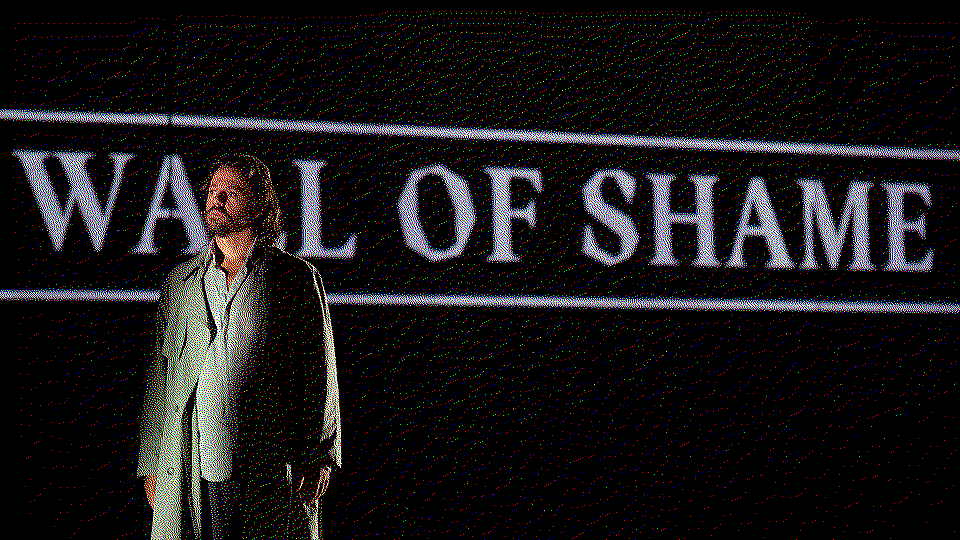
For the first staged production in Italy of Leonard Bernstein’s MASS, in a new production directed by Damiano Michieletto at the Baths of Caracalla, he brought me in again to develop the projections used throughout several scenes, giving parts of the work a more contemporary visual reading. I worked on the projection design together with the Galattico team and supervised its implementation on site.
-
Geico Taikisha
40th Anniversary Event
Creative Director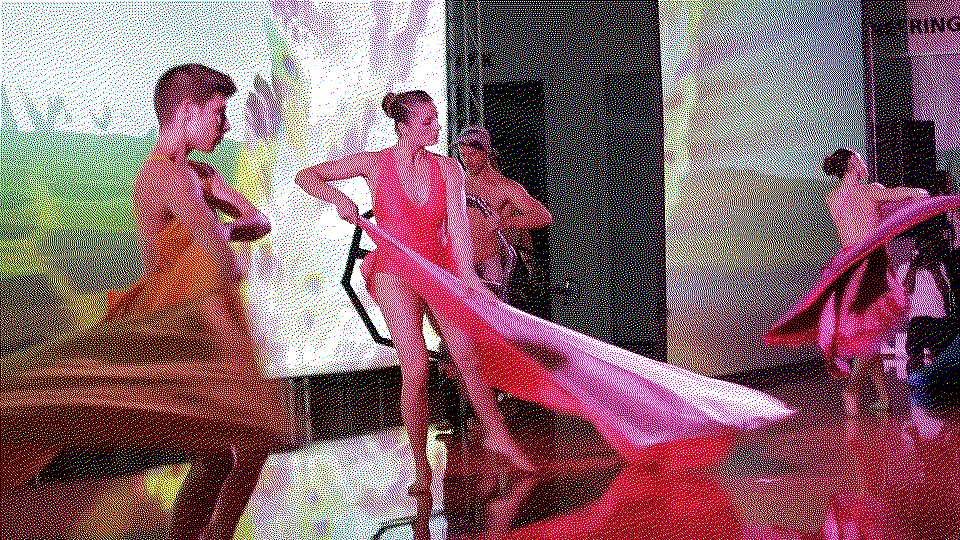
To celebrate Geico’s 40th anniversary, Twin Studio brought me in to lead the visual creative direction of a performance inside the company’s R&D centre. Working with performers and immersive projection, we built the piece around the group’s values and the Persian heritage of the Arabnia family. I also led my own team in producing the visual content and the music, developing a spatialised narrative inspired by the legend of the Simurgh, which gradually unfolded across the screens until it eventually took over the entire space.
-
Teatro alla Scala
L'Orontea
Video Content Designer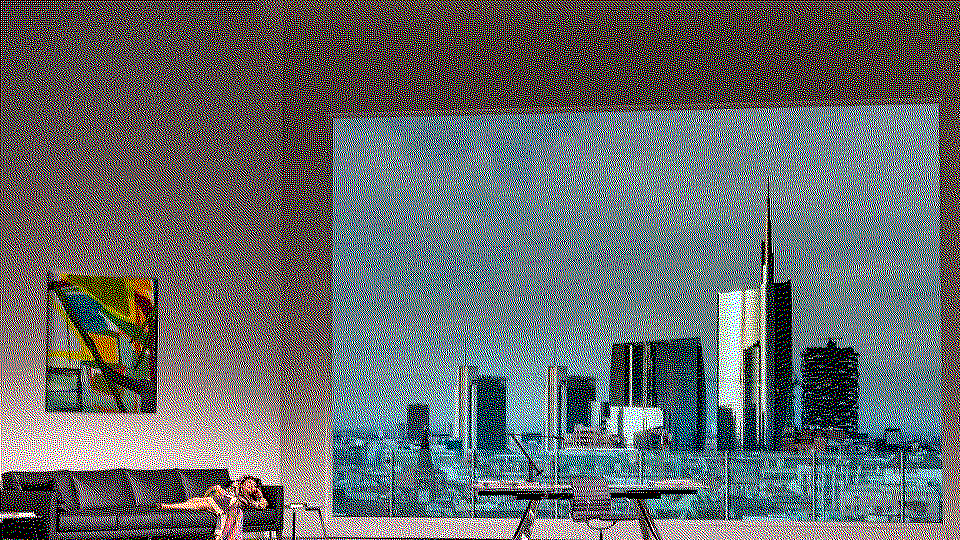
For L’Orontea, La Scala’s new production of Antonio Cesti’s Baroque opera, directed by Robert Carsen with sets and costumes by Gideon Davey, Galattico was brought in to develop the video scenography integrated into the set. Carsen relocated the story to a contemporary Milan art gallery, and we created the digital environments displayed on the LED walls which, like a large window, defined one of the rooms within the production’s imposing moving scenery.
-
Levante
Amphitheatre Tour
Creative Director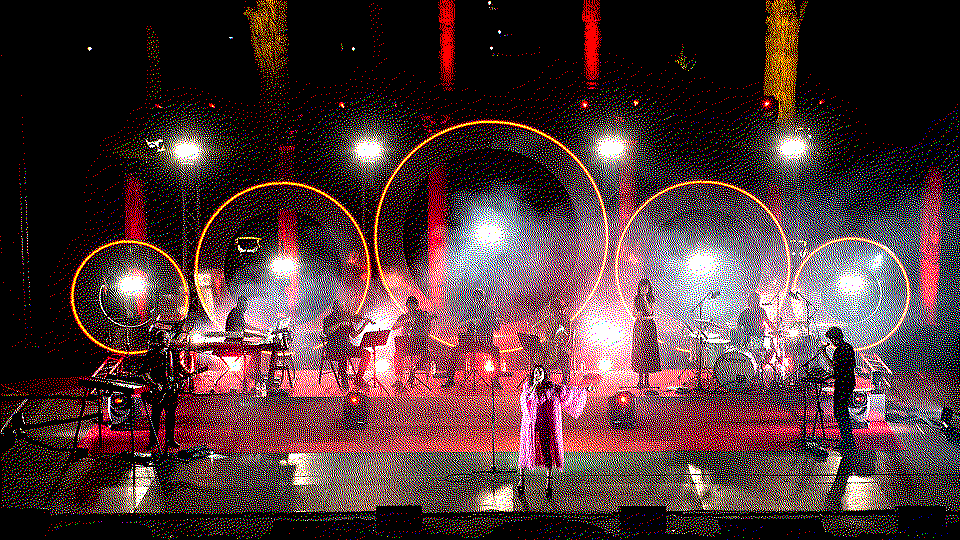
For Levante’s 2019 summer tour, staged across a series of historic amphitheatres, I wanted the visual direction to feel distinctive without competing with the venues themselves. Together with the lighting designer, I developed a low-profile stage built around large featherweight mirrored circles edged with LED strips, giving the show a strong graphic identity while deliberately leaving the architecture of each amphitheatre as the dominant scenic element.
-
Elodie
Live 2022
Creative Director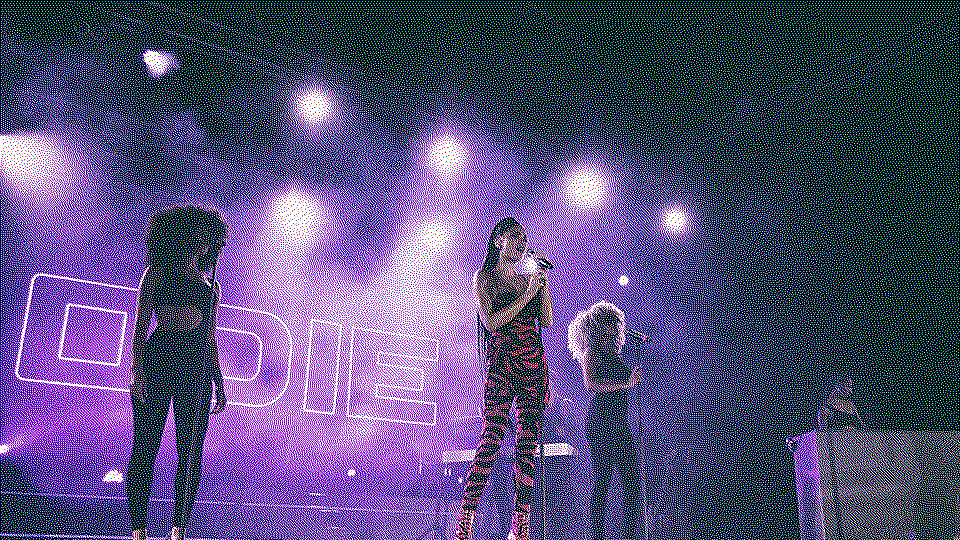
For Elodie’s very first live show in 2022, I took care of creative direction and set design, working with the lighting designer I brought into the project to build a deliberately unusual environment for a summer club show: a catwalk, a large staircase, dynamic LED elements and an unconventional use of lasers.
-
Motta
Live in Clubs
Lighting / Set Designer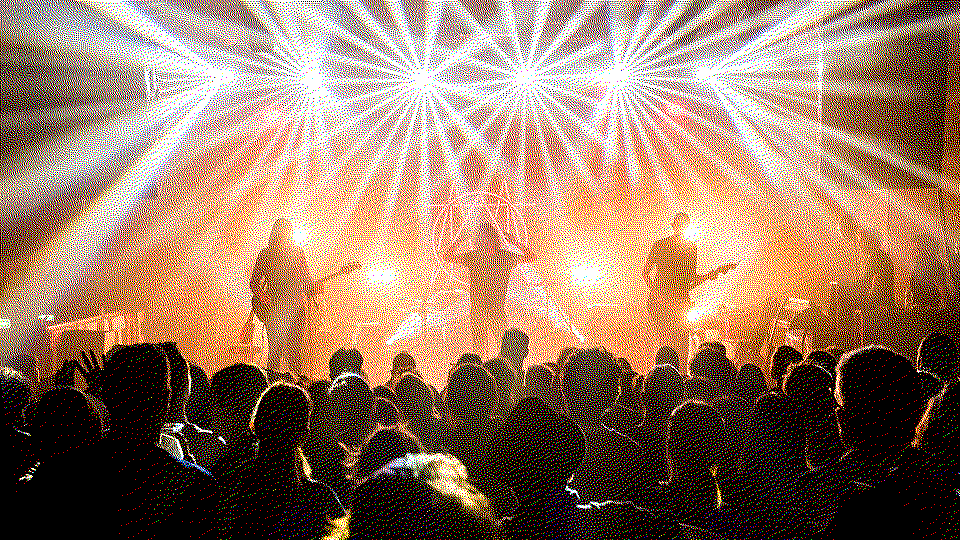
In 2022, after years spent mostly working on visuals, I joined Motta’s club tour as lighting designer. I looked for a radical meeting point between the band’s psych-rock attitude and a hard-clubbing aesthetic, using lasers and heavy backlight in deliberate contrast with more conventional rock-and-roll lighting to build a powerful, highly recognisable stage language.
-
Liberato
Rome / Milan / Europe
Video Engineer / Show Caller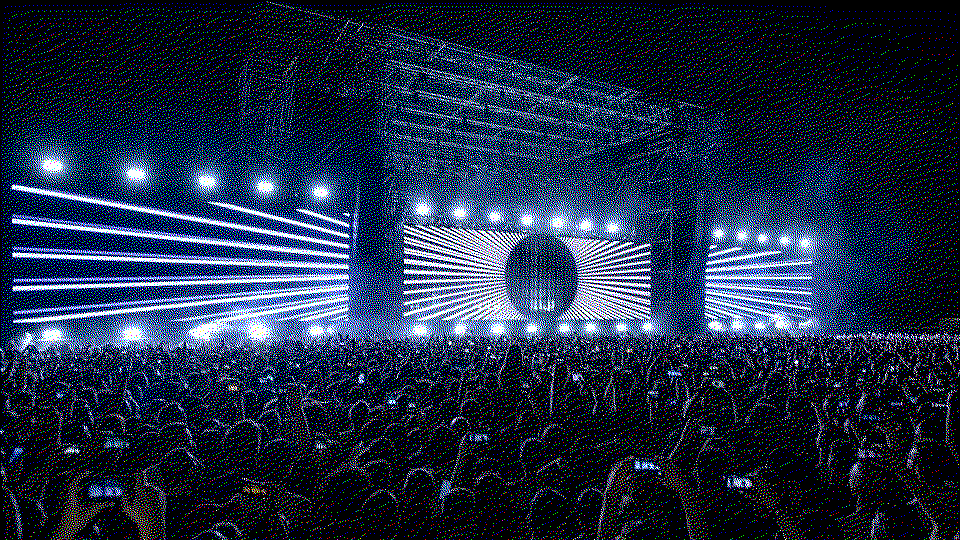
For Liberato’s shows in Rome in 2019, Milan in 2022 and the European dates in 2023, I handled the technical production of the video side, working closely with Quiet Ensemble and lighting designer Martino Cerati. I supervised the show programming, personally operated the media server — often exchanging signals directly with the lighting system — and, whenever scenic automation was involved, also took care of show calling for the movements.
-
Neffa
Universo Neffa
Show Director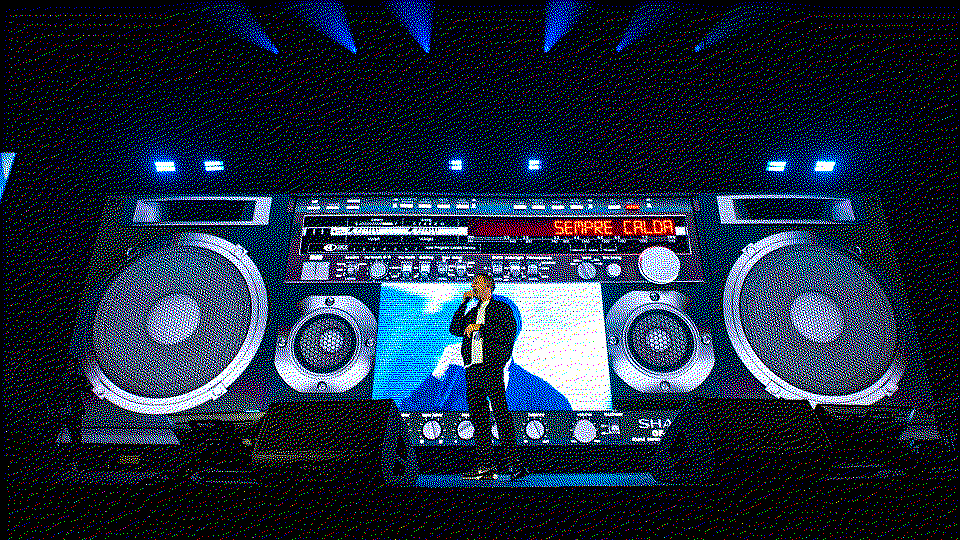
For Universo Neffa, the live return of the cult singer and rapper, I worked alongside Fabrizio Conte’s artistic direction, producing all the visual content and live camera direction with Galattico. Together with lighting designer Andrea Arlotti, I also designed a stage built around movable semi-transparent screens, while personally taking care of show direction, including the calling of all automation cues. To bring one of the visual ideas physically into the show, I designed and built battery-powered illuminated glasses reproducing the fixed glowing eyes of the replicant-like figures appearing in the visuals. We brought them onto the stage and into the audience, then filmed them live so that the same imagery could move back and forth between the screens and the physical space.
-
Salmo
San Siro - Questo è
Executive Technical Producer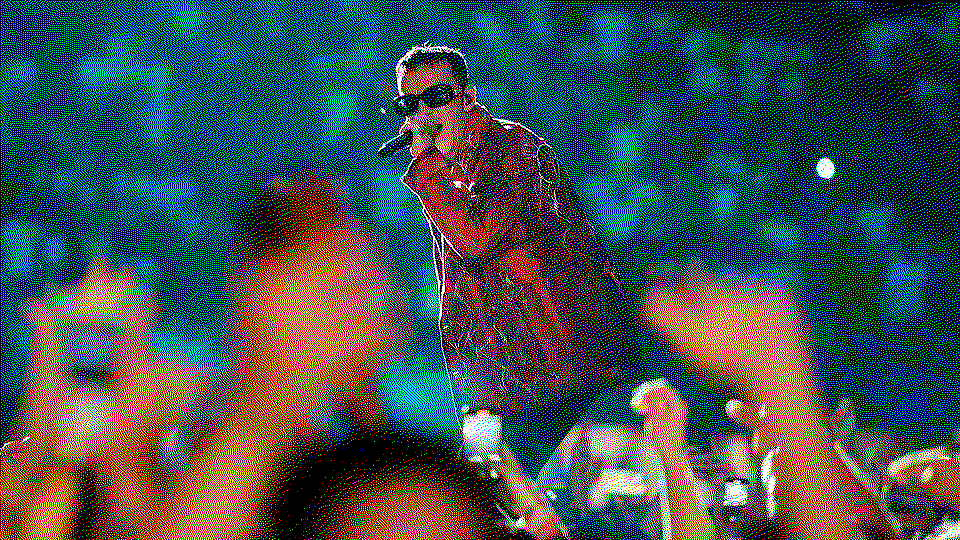
In 2022, just before Salmo’s San Siro show, Giorgio Testi asked me to join the team shooting "San Siro, questo è" as technical producer for the live shooting. I handled the executive production of the broacdcast and multicam department and its integration with the show production. To make things easier, Giorgio also wanted a Spidercam, which meant installing a custom system during the show build, away from the stadium’s existing positions to avoid interfering with the stage. And apparently that wasn’t enough: during the show he also asked me to operate one of the hot-head cameras. What could possibly go wrong?
-
Luchè
DVLA Tour
Live Camera Director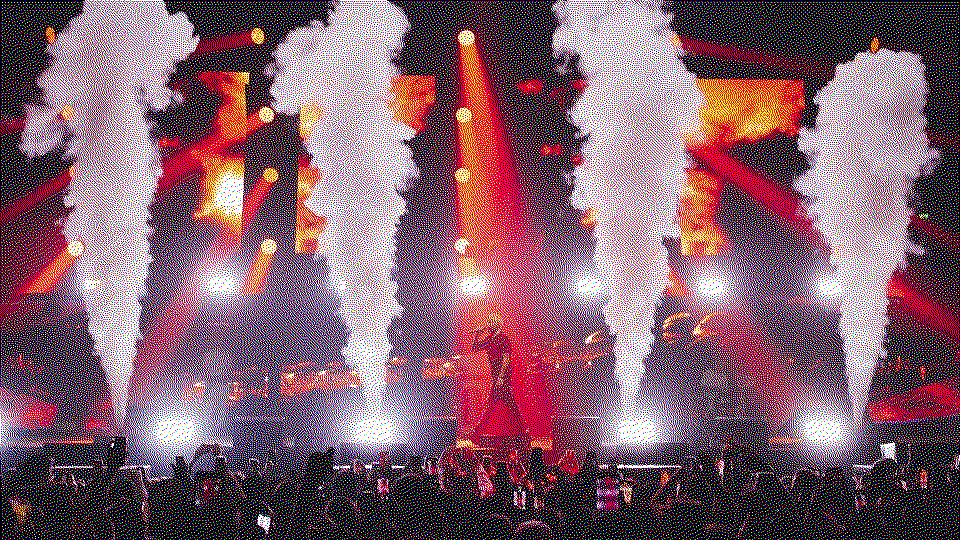
For Luchè’s 2022 tour, I took care of the live camera direction within a multi-level stage built around several video surfaces. Rather than feeding a single IMAG program, the camera system ran two simultaneous program outputs throughout the show, alternating across the different LED surfaces and constantly interacting with the graphic content.
-
Paolo Conte
Il Maestro è nell'anima
Executive Technical Producer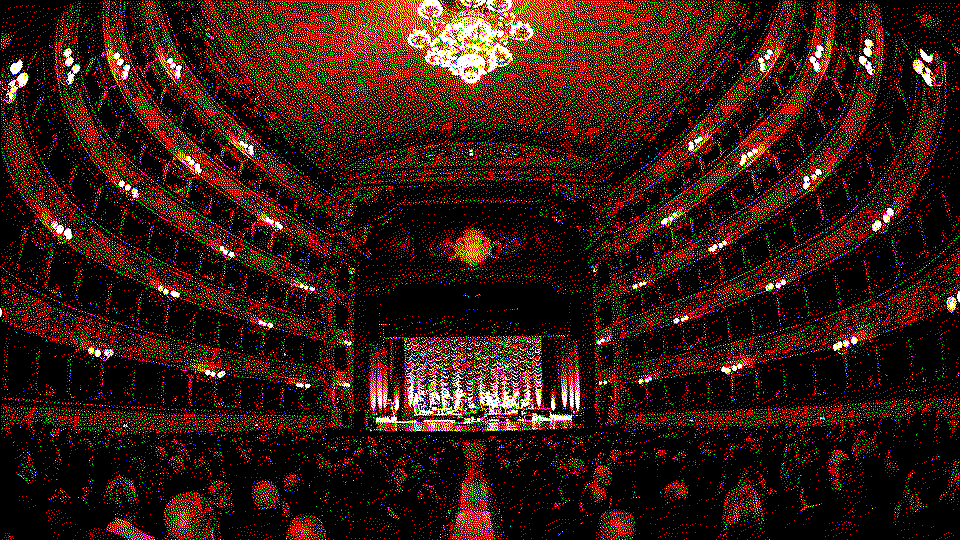
Working again with Giorgio Testi as technical producer, I oversaw the broadcast and multicamera setup for Paolo Conte — Il Maestro è nell’anima, the concert film built around the songwriter’s historic performance at La Scala in Milan, the first by an Italian singer-songwriter at the opera house. I handled the production directly, bringing in my technical team through Galattico and coordinating the specialist suppliers needed for the shoot.
-
Daniele Silvestri X Rancore
Il mio nemico invisibile
Producer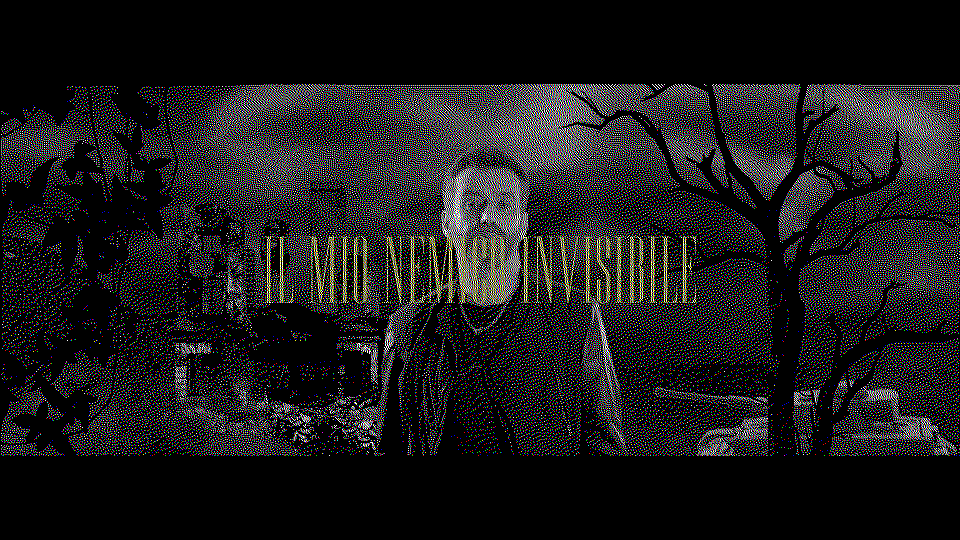
For Daniele Silvestri and Rancore — a collaboration that grew out of the tour I had already followed as creative director — I was asked to produce the video for Il mio nemico during the pandemic, when studios and travel were effectively off limits. I brought in a filmmaker in Rome to shoot the artists at home, then handed direction and post-production to the Galattico team while staying on as producer.
-
Irama
Arena di Verona
Creative Coordinator / Live Camera Director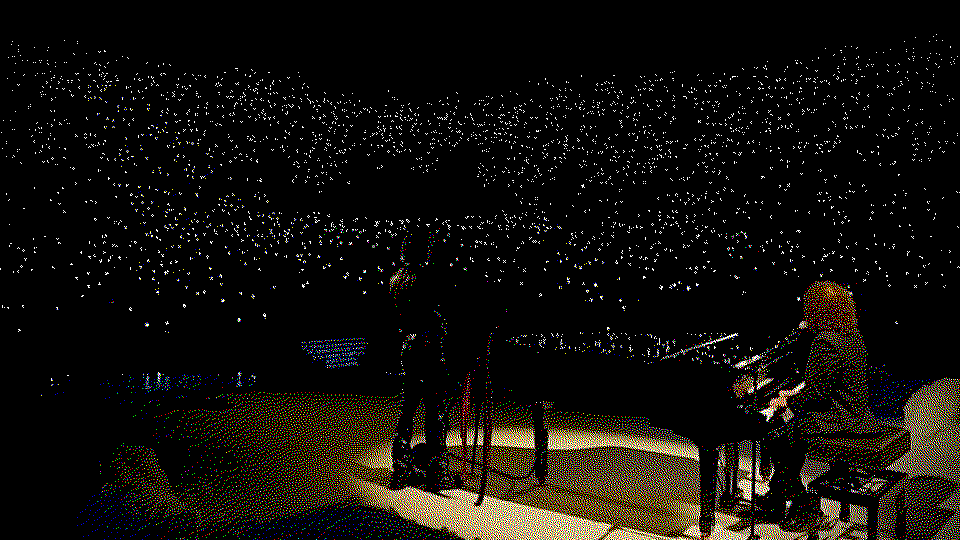
For Irama’s first headline show at the Arena di Verona — sold out, with an 18-piece band — I worked with Galattico on the creative coordination of the show, bringing together scenic ideas and digital environments, with the visual content produced by Pezzo di Studio. I also directed the live cameras using a fully television-style setup, including extensive Steadicam work on stage and a drone flying around the Arena.
-
Top DJ
Season 3
VJ / Visual Producer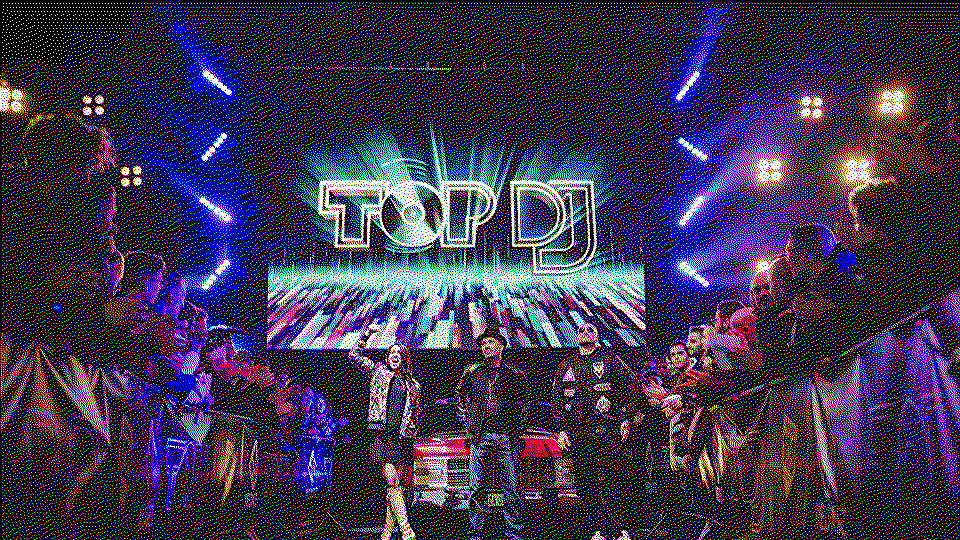
During my collaboration with Sugo Design, I worked on the third season of Top DJ, the Italian talent show for DJs and producers, which had just moved to Mediaset. I developed a custom system based on Max/MSP, Quartz Composer and Resolume Arena to manage the different screens in the studio and on the contestants’ consoles. Together with the studio’s creative direction, I also followed the production of the visual content for each episode, then handled its playout and the interactive elements during the recordings.
-
Luchè
Arena/Summer Tour
Creative Coordinator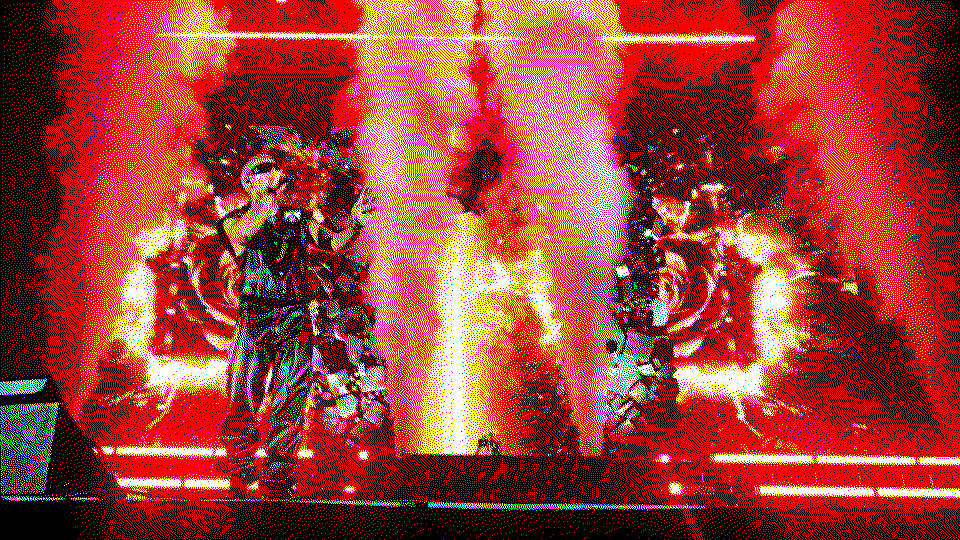
For Luchè’s 2025 and 2026 tours, I handled the creative coordination through Galattico, contributing to the set design, coordinating the visual production by OneTake, and overseeing the Notch effects and live camera direction handled by the Galattico team. On some of the main dates I also personally took care of show calling or live direction. For the arena tour, the cameras were directed for the first time using HotPunch, the timecode-driven live camera switching software I developed myself.
-
Liberato
Napoli Liberata 2018
Lighting Co-Designer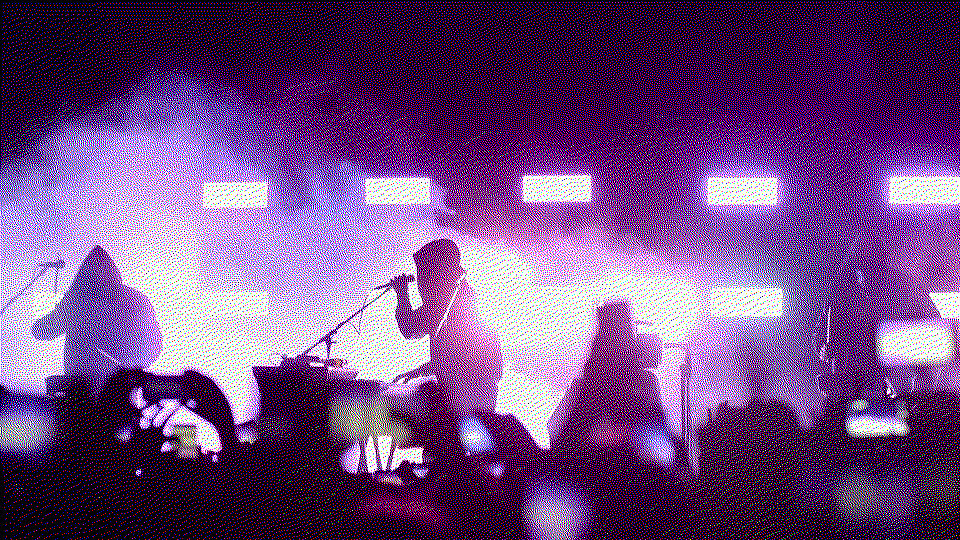
For one of Liberato’s earliest live shows, on the waterfront of his own city, lighting designer Martino Cerati and I developed a language where the lighting matrix behind the stage was treated like a mapped video surface, allowing tightly timed animations that would have been difficult to achieve through conventional lighting programming. I worked both on the animation itself and on the technical integration needed to make the whole system work.
-
FRIUILLI
Gabbiano
Director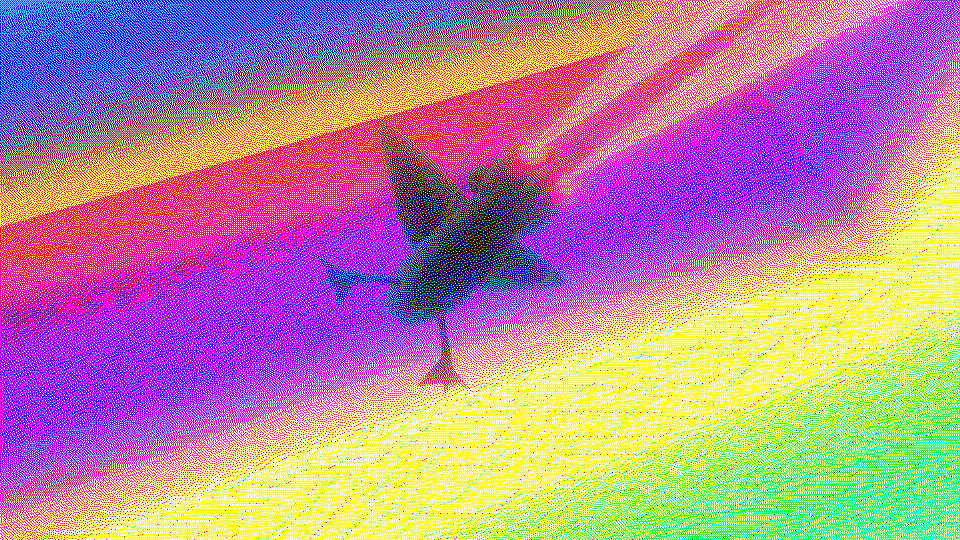
Gabbiano is the only “official” release by FRIUILLI, the side project bringing together Calcutta and Pop X, both cult figures of the Italian independent scene. The song keeps folding back on itself around this strange relationship with a seagull and its gaze. Pop X created the 3D assets in Paint 3D, and from there we animated them inside 360° environments based on places suggested by the artists, building a narrative that I’m still not entirely sure makes any sense — but that I find incredibly beautiful anyway.
-
Emis Killa
Terza Stagione Tour
Visual Art Director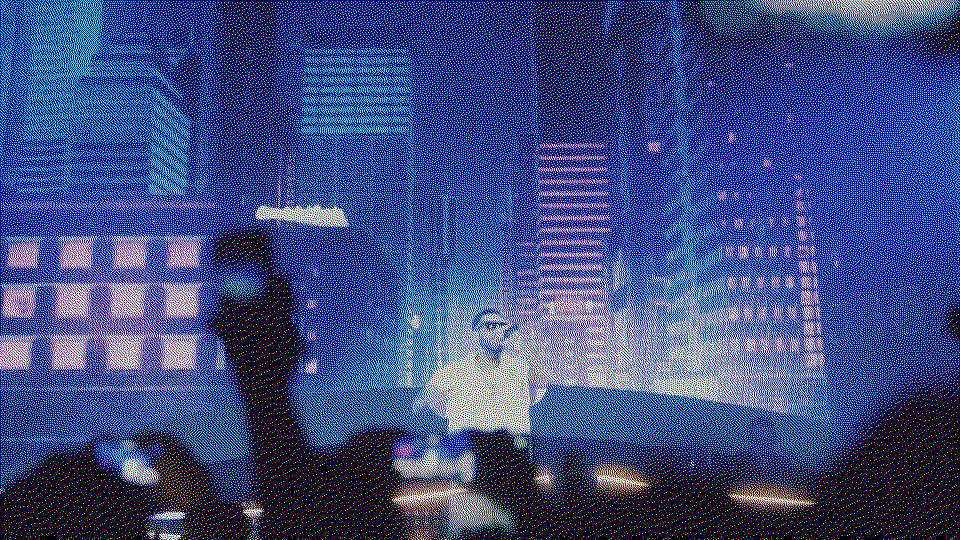
One of my early experiences in visual art direction, together with Chris Bona, and in managing a team. For this club tour we built a custom set split across three screens, with a visual language that turned Emis Killa into a cartoon avatar living inside the different songs throughout the show.
-
Sanofi
XR Hybrid Convention
XR / Visual Director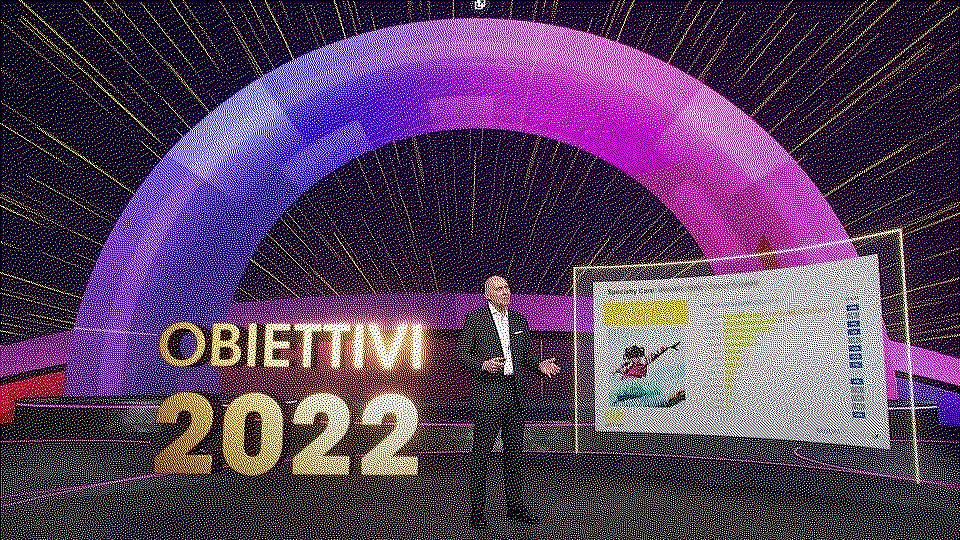
During the difficult pandemic years, I worked with a small team on R&D around extended reality, mixing physical and digital space through forced perspective on an LED set — a technology that was about to become much more widespread. For Sanofi Genzyme, we developed two hybrid conventions where speakers on set interacted with digital scenography while other speakers joined remotely.
-
Co'Sang
Reunion
Creative Coordinator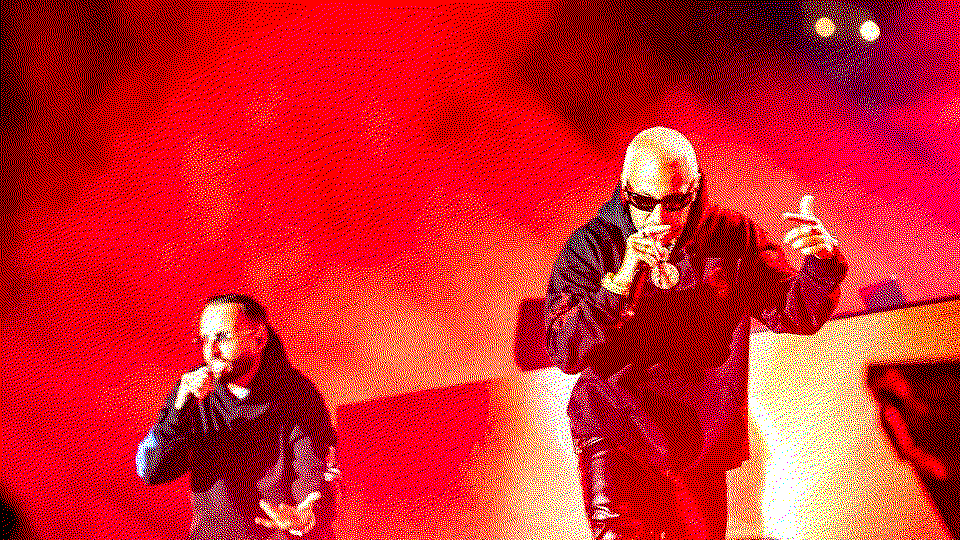
Co’Sang — Luchè and Ntò — marked a fundamental chapter in the history of Italian rap, and in 2024 they reunited after 12 years with Dinastia and two sold-out shows in Piazza del Plebiscito. Through Galattico, I handled the creative coordination of the show, with set and lighting design by Blearred and visual content produced by OneTake. We directly handled the live camera direction and Notch effects, while I also supervised the wider visual language to keep the different elements of the show coherent with the overall artistic direction.
-
Costadoro
ADV Campaign
Creative Director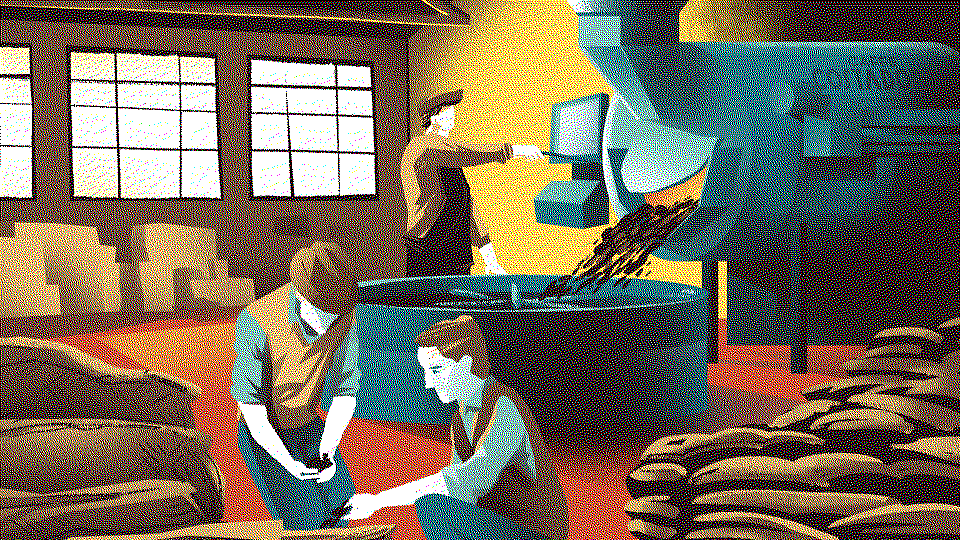
In 2021, I wrote and art-directed Costadoro’s social campaign. The company is a long-established Italian coffee brand with a strong B2B presence in bars and restaurants, and the campaign aimed to build more awareness among private customers who could also order its blends directly. Starting from the client’s brief, I wrote the content and developed the visual direction, commissioning custom illustration, animation and sound design around it.
-
Duomo di Milano
Videomapping
Motion Designer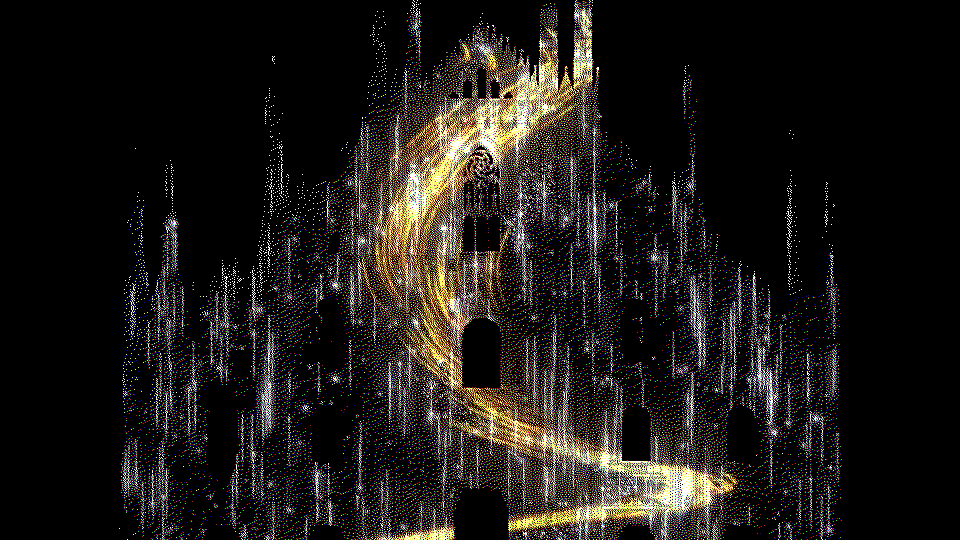
For Pietra e Preghiera, a videomapping commissioned by the Veneranda Fabbrica del Duomo to tell the story of Milan Cathedral’s construction, I collaborated with Sugo Design, who were producing the visual content, animating several segments of the show. The piece combined motion design and live-action footage, composed directly across the scale and architecture of the cathedral’s monumental façade.
-
Aperol X Rockin'1000
Roma 2023
Visual Director / Live Camera Director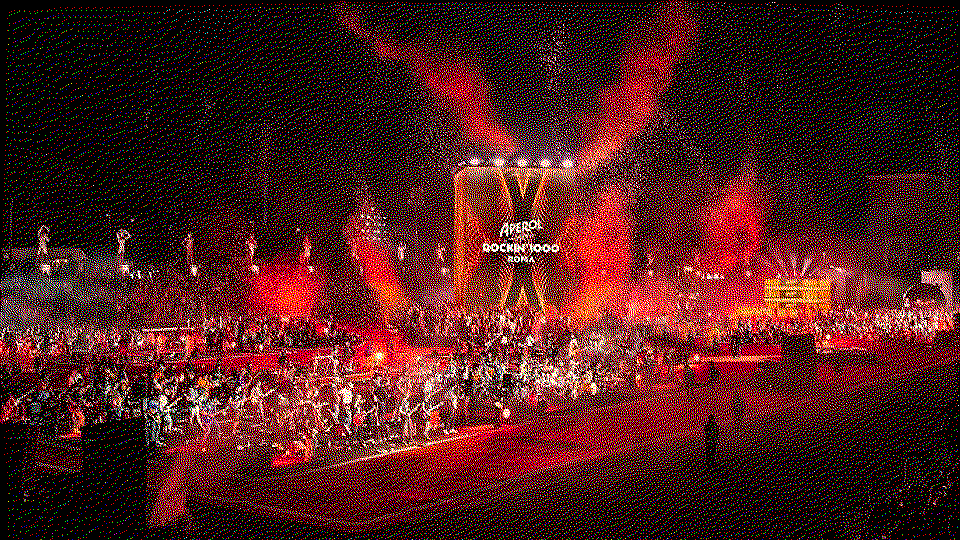
The event created by Aperol and Rockin’1000 at Rome’s Stadio dei Marmi, with a thousand musicians and Rkomi as special guest, was conceived both as a live show for 5,000 selected spectators and as campaign content directed by Giorgio Testi. With Galattico, we developed all the graphics, somewhere between brand identity and show content, for both the huge transparent LED monolith at the centre of the stage and the screens built into the bars around the event area. During the show, I also directed the live cameras displayed across the faces of the central monolith, often layered with the graphics and conceived to work within the footage that would later become the music video.